
Did you know that upgrading to an energy-efficient heating system can reduce your energy consumption by up to 30%? This significant decrease not only lowers your utility bills but also contributes to a more sustainable environment. You’ll find that these systems offer other compelling benefits, like enhanced indoor comfort and potential tax incentives. However, the initial investment might seem intimidating. So, what makes this endeavor worthwhile in the long run, and how do these systems impact your home’s overall value and air quality? Let’s explore how these advanced systems align with your lifestyle and budget.
Lower Energy Bills
Switching to energy-efficient heating systems can greatly reduce your monthly utility expenses, as studies show they consume up to 30% less energy compared to traditional systems. By investing in cutting-edge technology, you’re not only optimizing your household budget but also freeing up resources that can be allocated to other meaningful causes or community services you care about. The initial cost might seem intimidating, but the long-term savings and reduced energy consumption offer a compelling case for making the switch.
Consider the data: with traditional systems, a substantial portion of generated heat is lost or wasted, leading to higher bills. Energy-efficient systems, however, maximize heat retention and distribution, ensuring every dollar spent on heating goes further. This efficiency stems from advanced features such as programmable thermostats and zoned heating capabilities, allowing you to tailor your energy use to your specific needs.
Environmental Impact
By choosing energy-efficient heating systems, you considerably reduce your household’s carbon footprint, contributing to a healthier planet while enjoying lower energy costs. Traditional heating systems can be significant contributors to greenhouse gas emissions, accounting for up to 42% of a home’s energy consumption. By switching to energy-efficient options, you can cut these emissions by as much as 50%, based on data from the U.S. Department of Energy.
These systems use advanced technology to maximize heat output while minimizing energy waste. They operate at up to 98.5% efficiency, meaning nearly all the fuel consumed is converted into usable heat. This not only reduces emissions but also conserves valuable natural resources. The Environmental Protection Agency (EPA) supports these findings, highlighting that widespread adoption of high-efficiency systems could prevent millions of tons of CO2 emissions annually.
Your choice in heating systems goes beyond personal benefits—it’s a step toward global sustainability. By reducing your carbon footprint, you’re actively participating in the fight against climate change. This decision aligns with the values of those dedicated to serving others, ensuring a cleaner, safer environment for future generations. Your commitment to energy efficiency makes a meaningful difference.
Improved Home Comfort
Energy-efficient heating systems provide consistent and even warmth, enhancing your home’s comfort by maintaining ideal indoor temperatures without the fluctuations common with traditional systems. When you upgrade, you’re investing in a solution that guarantees every room in your home stays cozy, regardless of external weather conditions. Advanced insulation and precise temperature control minimize cold spots and drafts, greatly improving the overall atmosphere. According to studies, homes with energy-efficient systems report a 15% increase in comfort levels, making your space more inviting and pleasant for family and guests alike.
Moreover, these systems operate quietly, reducing noise pollution in your home environment. By eliminating the loud start-stop cycles of older models, you can maintain a peaceful atmosphere, allowing everyone to focus on what truly matters—whether that’s hosting gatherings or simply relaxing after a long day. The seamless integration of these systems into your home means you don’t have to worry about constant adjustments or maintenance, freeing up your time to serve others in more meaningful ways. By choosing an energy-efficient heating system, you’re not just enhancing comfort, but you’re also contributing to a more sustainable and service-oriented lifestyle.
Advanced Technology Features
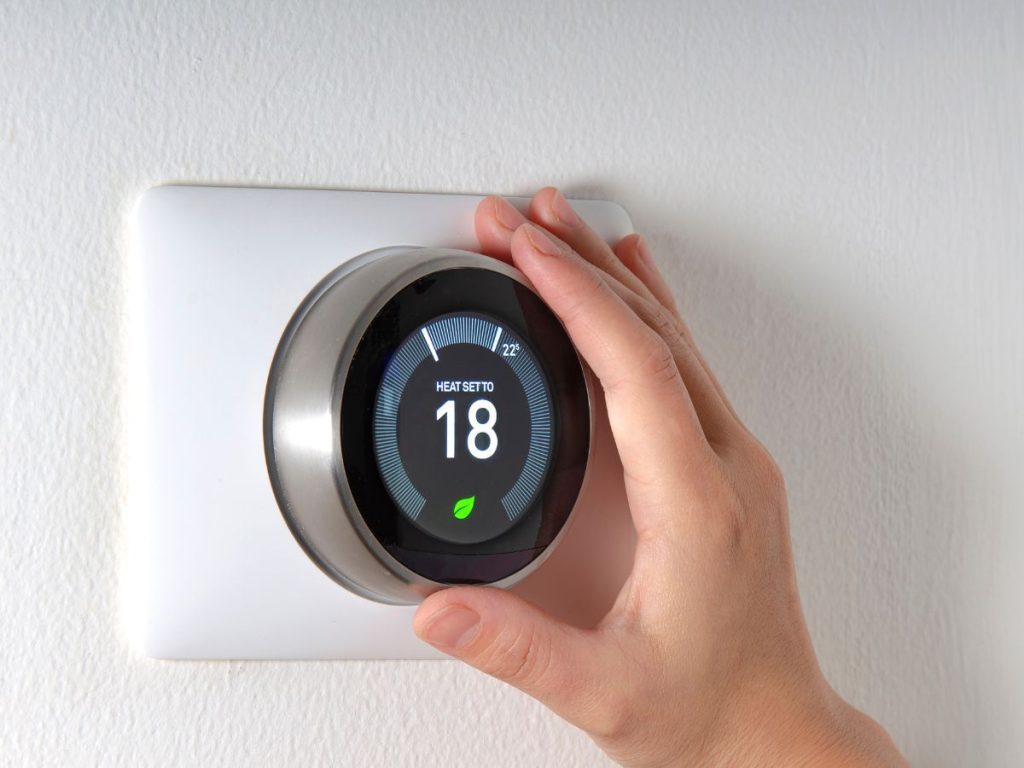
Modern heating systems leverage cutting-edge technology, such as smart thermostats and adaptive sensors, to optimize energy consumption and guarantee your home remains efficiently heated. Smart thermostats allow you to set precise temperatures for different times of the day, reducing energy waste. They learn your schedule and preferences, adjusting automatically to ensure comfort when you’re home and conservation when you’re not. Data indicates these devices can cut heating costs by up to 10%, a significant saving for households committed to reducing their environmental impact.
Adaptive sensors further enhance efficiency by detecting occupancy and adjusting heat distribution accordingly. They make certain that energy isn’t squandered on empty rooms, aligning with your desire to serve your household efficiently and sustainably. Advanced systems often include diagnostic tools that alert you to maintenance needs before they become costly repairs, prolonging the system’s lifespan and making certain reliability.
Government Incentives
To encourage households to adopt energy-efficient heating systems, governments offer various incentives that can greatly lower initial costs and promote long-term savings. As someone who cares about benefiting others and the environment, you’ll find these incentives not only ease financial burdens but also support broader sustainability goals. For instance, tax credits are available in many regions, allowing you to deduct a portion of your installation costs from your tax bill. This makes upgrading more affordable while ensuring you contribute to reducing carbon emissions.
Additionally, rebates can further decrease expenses. Many energy providers partner with government programs to offer cash rebates when you install qualifying systems. These rebates can cover a significant percentage of the initial outlay, making the shift to energy efficiency a smart financial decision.
Moreover, some governments offer low-interest financing programs specifically for energy-efficient home improvements. These loans enable you to spread costs over time, making energy efficiency accessible to more households, including those with limited budgets. By taking advantage of these incentives, you’re not just investing in your home’s efficiency but also playing an essential role in promoting a healthier planet for everyone.
Increased Property Value
Upgrading to energy-efficient heating systems not only brings financial savings and environmental benefits but also considerably boosts your property’s market value. In today’s real estate market, potential buyers are increasingly eco-conscious and willing to pay a premium for homes that align with sustainable living. Studies indicate that homes with energy-efficient upgrades can see an increase in value by up to 10%. This means a win-win situation: you enhance your home’s appeal while contributing positively to the environment.
Your decision to install an energy-efficient heating system is an investment in the future. With the rising demand for sustainable homes, prospective buyers are more likely to choose properties that promise lower utility bills and reduced carbon footprints. This appeal is not just financial but also ethical, as it resonates with the growing desire to serve the planet.
Moreover, energy-efficient systems often come with certifications that further validate your property’s value. Such certifications can put your home in a distinct category, making it stand out in competitive markets. By investing in an energy-efficient heating system, you’re not just increasing property value; you’re also setting a standard for responsible living that attracts like-minded individuals.
Long-Term Durability
Investing in energy-efficient heating systems guarantees long-term durability, providing you with reliable performance and reduced maintenance costs over the years. These systems are designed with advanced technology and robust materials that withstand the test of time. When you choose an energy-efficient option, you’re selecting a system engineered to operate efficiently even under demanding conditions, minimizing potential breakdowns.
Data shows that newer energy-efficient models often last longer than traditional heating systems. Their components are meticulously crafted to assure consistent performance, reducing the likelihood of frequent replacements. By opting for these systems, you’re not only investing in your home’s future but also in your ability to focus on what truly matters—serving others without worrying about heating failures.
Moreover, the durability of these systems supports your commitment to sustainability. A long-lasting heating system means fewer resources spent on production and disposal, contributing to a smaller carbon footprint. This aligns with a mindset geared toward helping both the community and the environment. When you prioritize durability in your heating choice, you’re making a decision that benefits not just your household but also the broader world around you.
Reduced Maintenance Costs
Choosing energy-efficient heating systems considerably lowers your maintenance costs by utilizing advanced technology that minimizes wear and tear. These systems are designed with fewer moving parts and enhanced lubrication, reducing the likelihood of mechanical failures. By opting for an energy-efficient system, you’ll find that the frequency of required repairs decreases, saving both time and resources that can be redirected toward helping others.
Data shows that energy-efficient systems can reduce maintenance costs by up to 30%, a substantial saving that can make a significant difference over the years. These systems often include smart diagnostics and alerts, allowing you to address minor issues before they escalate into major problems. This proactive approach not only extends the lifespan of your heating equipment but also guarantees that your focus remains on serving those in your care.
Moreover, energy-efficient systems are frequently backed by strong warranties due to their reliability, giving you peace of mind and reducing unexpected expenses. By investing in advanced technology, you’re making a responsible choice that benefits both your budget and the environment, enabling you to allocate more of your resources toward your mission of serving others effectively.
Enhanced Indoor Air Quality
An energy-efficient heating system actively improves indoor air quality by utilizing advanced filtration technologies that reduce pollutants and allergens. You want a home that’s not just warm but also healthy. These systems are designed to make a significant difference in the air you breathe, benefiting everyone, especially those with respiratory concerns.
When you upgrade, you’re not just enhancing warmth but also ensuring a cleaner environment. Consider these benefits:
- HEPA filters: Captures 99.97% of particles, including dust and pollen.
- Carbon filtration: Eliminates odors and volatile organic compounds (VOCs), ensuring fresher air.
- UV light technology: Neutralizes viruses and bacteria, promoting a healthier space.
- Humidity control: Maintains ideal moisture levels, preventing mold growth.
- Quiet operation: Enhances comfort by reducing noise pollution, creating a serene atmosphere.
Data shows that households utilizing energy-efficient systems experience up to a 30% reduction in indoor pollutants, according to industry studies. By choosing these advanced systems, you’re not only investing in technology but also in the well-being of your loved ones. You’ll contribute to a cleaner, safer home environment, making a positive impact on everyone who steps inside. Embrace this opportunity to serve others by creating a healthier living space.
Future-Proof Investment
Upgrading to an energy-efficient heating system not only enhances air quality but also stands as a smart future-proof investment, ensuring long-term savings and sustainability. By choosing advanced systems, you’re making a commitment to reducing energy consumption by up to 30%, as reported by the U.S. Department of Energy. This reduction translates into significant savings on utility bills, allowing you to reallocate those funds towards other meaningful endeavors, such as community projects or charitable contributions.
In addition, energy-efficient systems are designed with cutting-edge technology that adapts to future advancements. This adaptability means you won’t need frequent upgrades, reducing both your environmental footprint and the inconvenience of continuous renovations. By investing in these systems, you’re actively contributing to a sustainable future, aligning with the growing trend of green building standards and practices.
Moreover, energy-efficient heating systems often come with extended warranties and robust customer support, ensuring reliability and peace of mind. This level of assurance allows you to focus on serving others, knowing your heating system is dependable and cost-effective. By making this future-proof investment, you’re not only enhancing your environment but also setting a sterling example for others to follow.
Conclusion
Upgrading to an energy-efficient heating system is a wise investment that pays you back in spades. You’ll enjoy lower energy bills and improve your home’s comfort while reducing your carbon footprint. With government incentives sweetening the pot, it’s never been more financially accessible. Plus, these systems offer advanced technology, long-term durability, and reduced maintenance costs. As the saying goes, “A penny saved is a penny earned,” and this upgrade is a step toward a sustainable and valuable future.
Frequently Asked Questions
What Are the Potential Upfront Costs for Installing Energy-Efficient Heating Systems?
You’re looking at initial costs ranging from $3,000 to $7,000, depending on your home’s size and system type. Consider potential savings on energy bills and tax incentives, which can offset these upfront expenses over time.
How Do Energy-Efficient Heating Systems Perform in Extreme Weather Conditions?
Like a well-oiled machine, energy-efficient heating systems handle extreme weather seamlessly. You’ll find they provide consistent warmth during cold snaps, backed by data showing reduced energy usage, ensuring you serve others comfortably while keeping costs low and efficiency high.
Are There Specific Brands Known for Reliable Energy-Efficient Heating Systems?
You’ll find brands like Trane, Lennox, and Carrier that are known for their reliable energy-efficient heating systems. They’ve proven performance in energy savings and durability. Choosing these guarantees you’re making a positive impact while effectively serving others’ comfort needs.
How Long Does the Installation Process Typically Take for New Systems?
Did you know that 60% of installations finish in under a day? Installers work efficiently, minimizing disruption, so you can quickly enjoy energy savings. By choosing reliable professionals, you’re ensuring a swift, seamless changeover to better heating.
Can Energy-Efficient Heating Systems Be Integrated With Smart Home Devices?
You can seamlessly integrate energy-efficient heating systems with smart home devices. They enhance comfort, reduce energy consumption, and offer remote control. Many models support popular platforms, ensuring you serve others with smarter, sustainable living environments.