
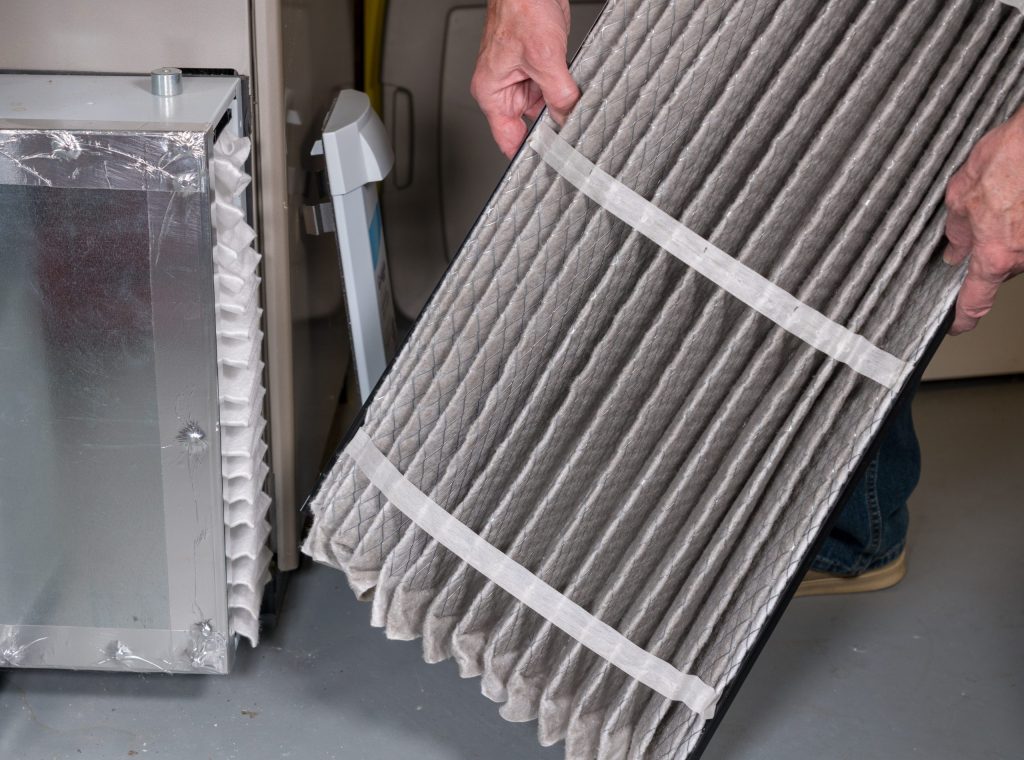
Understanding when to replace your AC filter is essential for maintaining your system’s efficiency and ensuring clean air in your home. You should change the filter every 1-3 months, but factors like heavy usage, environmental conditions, and specific needs, such as having pets or allergies, can necessitate more frequent replacements. Look for signs like unusual noises, increased dust, or visible wear on the filter. Adhering to a regular maintenance schedule prevents system inefficiencies and promotes energy efficiency. Ready to learn how to maintain your AC for peak performance and longevity?
Importance of Replacing AC Filters
Replacing your AC filter is vital for maintaining excellent air quality and system efficiency. When you neglect this important task, your filter’s lifespan shortens due to accumulated dust and debris. These particles can create airflow blockages, reducing the overall performance of your AC unit. Without proper airflow, your system works harder, consuming more energy and increasing utility bills.
Adhering to maintenance schedules is key. Most AC filters are designed to last one to three months, depending on usage and environmental conditions. Check your manufacturer’s guidelines for specific recommendations. Consistent replacement keeps your system running smoothly and ensures ideal indoor air quality, free from allergens and pollutants.
When examining your filter, look for signs of wear and tear or significant dirt buildup. A dirty filter hinders airflow and strains your HVAC components, leading to potential malfunctions and costly repairs. By proactively managing your filter’s condition, you maintain system efficiency and extend the life of your AC unit. Remember, a clean filter means better airflow, lower energy consumption, and a healthier living environment. Stick to your maintenance schedule, and your AC system will serve you well.
How Often to Change Filters
Depending on specific usage and environmental factors, you should change your AC filter every one to three months. For instance, if you have pets, allergies, or live in a dusty area, you may need to replace the filter more frequently to maintain the best air quality and system efficiency.
Different filter brands and materials impact the filter lifespan. High-quality filter brands often offer longer-lasting products, but following the manufacturer’s guidelines is very important. Filters from materials like fiberglass generally need more frequent changes, whereas pleated filters from polyester or paper can last longer.
To determine the exact frequency, consider your home’s filter materials and specific conditions. Regular inspection is crucial. If you notice significant dirt accumulation before the typical timeframe, it’s a sign that a more frequent replacement schedule is necessary.
Signs Your Filter Needs Replacing
Recognizing when your AC filter needs replacing is as important as knowing how often to change it. First, pay attention to any unusual noises coming from your AC unit. A clogged filter can cause the system to work harder, leading to strange sounds such as buzzing or whistling. These noises indicate the restricted airflow, signaling it’s time for a new filter.
Next, observe the level of dust in your home. Increased dust accumulation on surfaces can indicate that your filter is no longer effective. When the filter is clogged, it can’t trap dust particles efficiently, allowing them to circulate throughout your living space.
Effects of a Dirty Filter
Ignoring a dirty AC filter can lead to a range of adverse effects on your system’s performance and indoor air quality. One of the immediate impacts is reduced airflow. When the filter is clogged, the system has to work harder to push air through, which can cause the blower motor to overheat and eventually fail. This inefficiency increases energy consumption and shortens the lifespan of your entire HVAC unit.
Furthermore, a dirty filter is a breeding ground for allergens buildup. Dust, mold spores, and other contaminants accumulate on the filter, and when it’s saturated, these particles can bypass the filter and circulate throughout your home. This can exacerbate allergies and respiratory issues for everyone in the household.
Additionally, a clogged filter can lead to coil damage. The evaporator coils may become too cold and freeze when airflow is restricted. Once the ice melts, it can lead to water damage and corrosion. Over time, this can result in expensive repairs or even the need to replace the coils entirely. Regularly replacing your AC filter can avoid these detrimental effects and ensure peak performance and air quality.
Types of AC Filters
Several types of AC filters are available, each designed to meet different needs and performance criteria. Understanding these types can help you choose the right one for your system.
Reusable filters are a popular choice due to their cost-effectiveness and environmental benefits. You can wash and reuse them multiple times, reducing waste. However, they often have lower filter ratings and may not capture the smallest particles.
Disposable fiberglass filters are the most basic option. They’re inexpensive but have a low MERV (Minimum Efficiency Reporting Value) rating, meaning they only filter out larger particles. Pleated filters, made from various filter materials like cotton or polyester, offer better filtration and higher MERV ratings, capturing smaller particles more effectively.
High-efficiency particulate air (HEPA) filters provide superior filtration, removing up to 99.97% of airborne particles. They’re ideal for those with allergies or respiratory issues, but due to their increased resistance to airflow, they may require professional installation.
Additionally, electrostatic filters use static electricity to trap particles. They are available in disposable and reusable forms and offer varied filter ratings.
Choosing the right filter depends on your needs, considering factors like air quality requirements, maintenance capabilities, and budget.
Seasonal Considerations
When selecting the appropriate AC filter, it’s important to consider seasonal factors affecting your system’s performance and indoor air quality. Temperature fluctuations, for example, can place varying demands on your AC unit. During extreme weather changes, your system works harder, and a high-efficiency filter may be necessary to maintain peak performance.
Seasonal allergies are another key consideration. Spring and fall can be particularly challenging if you or anyone in your household suffers from allergies. During these periods, pollen and other allergens are more prevalent, necessitating frequent filter changes. Look for filters with a higher MERV rating to better capture these particles and improve indoor air quality.
Weather changes throughout the year can also impact how often you need to replace your AC filter. In summer, increased usage due to higher temperatures means your filter will accumulate dust and debris more quickly. Conversely, during milder seasons, you might extend the replacement interval. Monitor your filter condition and adjust your maintenance schedule based on seasonal demands. You’ll ensure your AC system runs efficiently year-round by staying vigilant and adapting to these factors.
Impact on Air Quality
Maintaining your AC filter is crucial for upholding ideal indoor air quality. When filters are clean, they effectively capture airborne contaminants such as dust, pollen, and pet dander. This reduces the potential for respiratory issues and allergies, thereby minimizing health risks for you and your family.
A clogged or dirty filter shortens the filter’s lifespan and hampers its ability to filter out harmful particles. Over time, pollutants accumulate and recirculate throughout your home, leading to poor air quality. Regular replacement ensures that your system functions at its best, preventing the buildup of these contaminants.
To uphold excellent air quality, check your filter every month and replace it as necessary. Most filters need changing every 1-3 months, depending on usage and environmental factors. This proactive approach helps mitigate health risks associated with poor indoor air quality, such as asthma and other respiratory conditions.
Energy Efficiency Benefits
Replacing your AC filter regularly can greatly enhance your system’s energy efficiency. When your filter is clean, your air conditioner doesn’t have to work as hard to circulate air, which means it uses less energy. This efficiency directly translates to lower bills, saving you money each month.
By maintaining a clean filter, you also reduce the environmental impact of your AC system. Efficient energy use means less strain on power plants and fewer greenhouse gas emissions. It’s a simple yet effective way to contribute to a more sustainable environment.
Moreover, a clean filter promotes system longevity. When your AC doesn’t have to overexert itself, the wear and tear on internal components is minimized. This preventative measure can extend the lifespan of your system, reducing the frequency of costly repairs or replacements. To ensure you’re taking all the right steps, don’t hesitate to contact professionals who can help you maintain your system for optimal performance.
Steps to Replace an AC Filter
To replace your AC filter, start by turning off your air conditioning unit to guarantee safety. Check your unit’s manual to locate the filter; it’s typically found behind a removable panel or inside the return air duct. Make sure you follow safety precautions by wearing gloves and a mask to protect against dust and allergens.
Once you’ve identified the filter location, carefully remove the old filter. Pay attention to how it’s positioned, as you’ll need to insert the new one similarly. Dispose of the old filter properly. Most can be placed in a regular trash bag, but check if your local disposal methods require special handling for used filters.
Next, unpack the new filter, ensuring it’s the correct size and type for your unit. Slide it into the filter slot, ensuring the arrows on the frame point in the airflow direction. Secure the panel or cover back, and tightly close it to prevent air leaks.
Professional Maintenance Vs. DIY
Deciding whether to handle AC filter replacement yourself or hire a professional hinges on your comfort level with DIY tasks and the complexity of your HVAC system. A comparison shows that DIY filter replacement is generally cheaper because you only pay for it. However, a professional might be worth the additional expense if your system is complex or hard to access.
When performing a DIY replacement, follow safety precautions, such as turning off the unit and wearing protective gloves. Incorrect handling can lead to injuries or damage to the system. Familiarize yourself with the tool requirements: typically, you’ll need a screwdriver, pliers, and possibly a flashlight to see into dark spaces.
On the other hand, professional maintenance goes beyond just replacing the filter. Technicians can evaluate your system’s overall health, catch potential issues early, and ensure everything runs efficiently. While this service costs more upfront, it can save you money on significant repairs in the long run.
Evaluate your skills and the specific demands of your HVAC system to decide whether DIY replacement or professional maintenance is the best route for you.
Conclusion
Regularly changing your AC filter is essential for peak performance. Did you know that a dirty filter can increase energy consumption by up to 15%? By sticking to a maintenance schedule, you’ll guarantee clean air quality and effective energy use. Look for signs like increased dust or unusual noises, and follow manufacturer guidelines for replacement. Whether you opt for professional maintenance or DIY, staying proactive will keep your AC system running smoothly and efficiently.
Frequently Asked Questions
Can a Dirty Filter Cause My AC to Freeze Up?
Yes, a dirty filter can cause your AC to freeze up. Blocked vents and airflow restrictions lead to frozen coils. Replace the filter regularly to prevent these issues and guarantee peak system performance.
Are Washable Filters as Effective as Disposable Ones?
Think of washable filters as the tortoise in the race. They have a longer filter lifespan and lower maintenance frequency, but their initial cost is higher. Disposable filters are cheaper but require frequent replacement. Choose based on your needs.
How Do I Choose the Right Filter Size for My AC Unit?
First, measure your existing filter dimensions accurately. Check your AC unit’s manual for recommended filter types. Confirm the measurements match your unit’s requirements, considering width, height, and depth for peak performance. Avoid guessing; precision is key.
Can a Clogged Filter Affect My Heating System?
Yes, a clogged filter can impact your heating system. It causes reduced airflow, leading to increased energy consumption and poor efficiency. Regularly inspect and replace the filter to guarantee peak performance and prevent system strain.
What Are the Health Risks Associated With Not Replacing AC Filters Regularly?
Not replacing your AC filters regularly can degrade indoor air quality, leading to respiratory issues and exacerbating allergy symptoms. Maintain your filters clean to guarantee you and your family breathe healthier, cleaner air.