
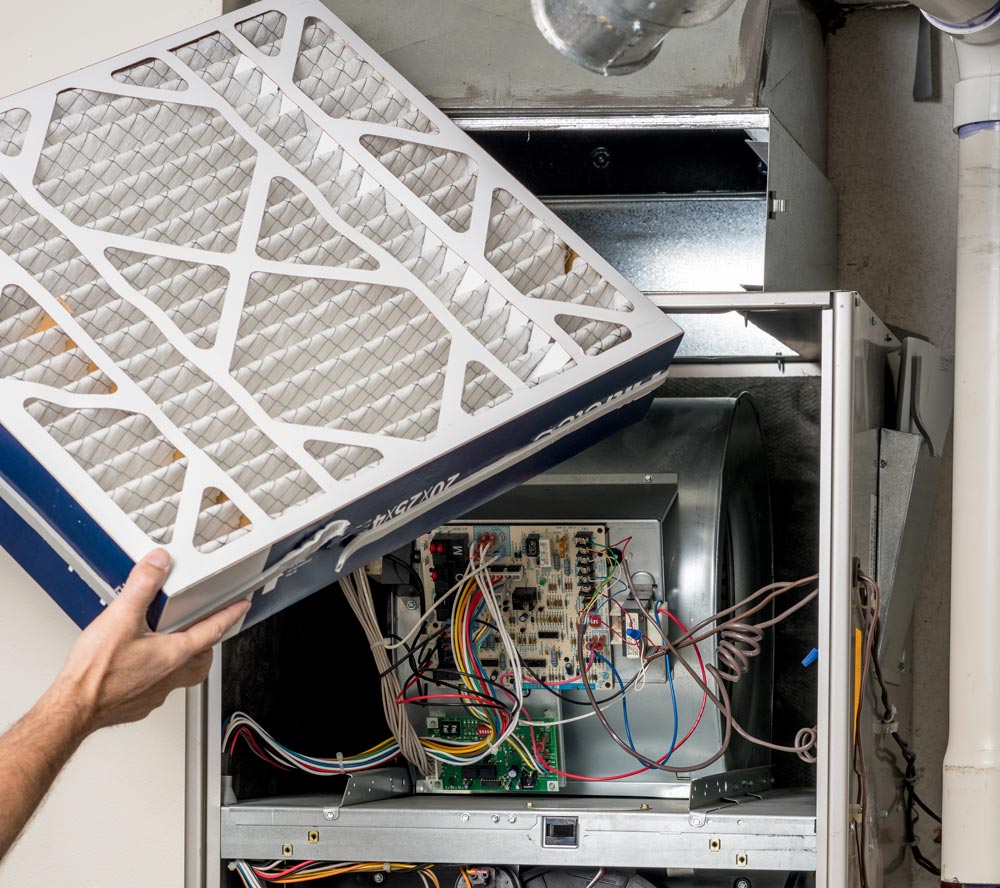
You might not think about your furnace filter often, but it is important in keeping your home comfortable and your energy bills manageable. Have you noticed your energy costs creeping up or inconsistent temperatures across rooms? These are just a few indicators your furnace filter might need replacing. Dust accumulation and aggravated allergy symptoms are also signs that shouldn’t be ignored. If you’re unsure, HVAC professionals can help assess whether a filter change is necessary. And what about the HVAC system itself—could it be at risk of overheating or cycling more frequently? Understanding these warning signs can help you decide when it’s time for a change.
Increased Energy Bills
One clear sign that it’s time to change your furnace filter is a noticeable increase in your energy bills. When your furnace filter becomes clogged, it restricts airflow, causing your heating system to work harder to maintain the desired temperature. This inefficiency directly translates to higher energy consumption and, consequently, higher bills.
Key Reasons to Replace a Clogged Furnace Filter:
- Higher Energy Costs: A dirty filter causes your furnace to run longer cycles, consuming more energy and increasing your utility bills.
- Loss of Efficiency: The furnace has to work harder to meet thermostat settings, resulting in reduced overall efficiency.
- Increased System Strain: Longer cycles put unnecessary strain on internal components, shortening the lifespan of your heating system.
- Overheating Risks: Restricted airflow can cause the furnace to overheat, potentially leading to damage or costly repairs.
- Potential System Damage: Poor airflow may result in overheating and damage to sensitive internal parts.
Regularly checking and replacing your furnace filter ensures peak performance and energy efficiency, helping you minimize operational costs and prevent costly repairs.
Benefits of Regular Furnace Filter Maintenance:
- Maintains efficiency by reducing strain on the system.
- Prevents overheating and damage to internal components.
- Extends the lifespan of your furnace, saving on long-term costs.
- Promotes responsible resource management for both homeowners and professionals.
Keeping your furnace filter clean is an easy yet crucial step in maintaining an efficient HVAC system. Timely filter changes ensure your system runs smoothly, providing comfort and peace of mind for those you serve, whether in a professional capacity or within your own home.
Reduced Airflow
A significant reduction in airflow is another telltale sign that your furnace filter needs replacement. When your filter is dirty, it restricts the passage of air, making it harder for your HVAC system to operate efficiently. This can lead to several issues that impact your comfort and the system’s performance.
Here are some key points to take into account:
- Obstructed Airflow: A dirty filter causes obstructed airflow, reducing the amount of heated air that reaches your living spaces. This results in uneven temperatures and discomfort.
- Clogged Vents: If you notice that air isn’t coming out of your vents as forcefully as it used to, your filter might be clogged. This can cause your furnace to work harder, shortening its lifespan.
- Blocked Ducts: A neglected filter can lead to blocked ducts over time. Dust and debris accumulate, further restricting airflow and potentially causing costly damage to your ductwork.
- System Strain: Reduced airflow puts additional strain on your HVAC system, often leading to increased wear and tear. This can result in frequent repairs and a shorter system lifespan.
Addressing obstructed airflow promptly ensures your system operates efficiently, providing consistent and comfortable heating throughout your home.
Dust Buildup
In addition to reduced airflow, a dirty furnace filter contributes to noticeable dust buildup in your home. When your filter becomes clogged, it can no longer effectively trap dust particles, increasing dust accumulation on surfaces. This affects the cleanliness of your living environment and indicates that your HVAC system’s efficiency is compromised.
A compromised filter means more dust circulates through your home, settling on furniture, floors, and other surfaces. This unchecked dust accumulation can strain your HVAC system, making it harder to maintain desired temperatures. As part of routine furnace maintenance, checking and replacing the filter helps avoid unnecessary strain and keeps your system running smoothly.
Regularly monitoring and replacing your furnace filter is essential for maintaining system efficiency. When you notice dust building up more quickly than usual, it’s a clear sign that your filter is no longer performing at its best. Changing the filter ensures that your system can effectively capture dust particles, extending the filter lifespan and improving indoor air quality.
Allergy Symptoms
Experiencing increased allergy symptoms can indicate that your furnace filter needs replacement. When the filter is clogged, it becomes less effective at trapping allergens, leading to poor indoor air quality. This can aggravate nasal congestion, irritation flare-ups, and sinus infections. As a responsible homeowner, it’s essential to recognize these symptoms early to serve the well-being of those in your home.
Here are some specific signs to watch for:
- Increased Nasal Congestion: If you or your family are experiencing more frequent or severe nasal congestion, it may be due to airborne particles that your clogged filter fails to trap.
- Frequent Irritation Flare-Ups: Allergy sufferers might notice that their symptoms, such as itchy eyes and sneezing, are becoming more frequent or intense.
- Recurring Sinus Infections: A dirty filter can contribute to an environment where sinus infections become more common as the air quality deteriorates.
- General Discomfort: A noticeable decline in overall comfort due to respiratory issues is a strong sign that your filter isn’t performing at its best.
HVAC System Overheating
Your HVAC system can overheat and fail if the furnace filter becomes too clogged, restricting airflow and causing components to work harder. Overheating can lead to a system shutdown, which is inconvenient and a significant safety hazard. When airflow is restricted, the heat exchanger can retain excessive heat, leading to potential cracks or fire risks.
A burnt smell is one of the first indications of an overheating HVAC system. This odor often signals that components within the system are getting too hot. Ignoring this sign can result in costly repairs or complete system failure. Additionally, modern HVAC systems are designed with safety mechanisms that trigger a shutdown when overheating is detected. While this protects the system, it also leaves you without heat until the problem is resolved.
To prevent these issues, regularly check and replace your furnace filter. A clean filter ensures efficient airflow, reducing strain on the system and preventing overheating. By doing so, you not only extend the lifespan of your HVAC system but also ensure the safety and comfort of those you serve. Regular maintenance is key to avoiding these serious problems.
Unusual Odors
When a furnace filter is overdue for replacement, unusual odors often signal underlying issues within the HVAC system. Recognizing and addressing these odors promptly guarantees that your system operates efficiently and maintains a healthy indoor environment. Here are four common smells and what they might indicate:
- Burning Smell: A burning smell usually signifies that the filter is clogged and the furnace is overheating. This situation can lead to system failure or even fire hazards if ignored.
- Musty Aroma: A musty aroma indicates mold or mildew growth on the filter. This can circulate allergens and contaminants throughout your home, compromising indoor air quality.
- Chemical Scent: A chemical scent may suggest that there are leaked fluids or other chemicals within the HVAC system. This serious issue requires immediate attention to prevent potential health risks.
- Dusty Odor: If you notice a dusty odor, the filter is excessively dirty and fails to trap dust and debris effectively, leading to poor air circulation and increased wear on the system.
Visible Dirt on the Filter
Noticing unusual odors can often be accompanied by visible dirt on the filter, signaling it’s time for a replacement to maintain peak furnace performance. When you observe filter discoloration or trapped debris, it’s a clear sign that the filter is no longer effective. The accumulation of dirt reduces airflow, making your furnace work harder and less efficiently. This impacts the furnace’s performance and the air quality in your home.
To inspect the filter, remove it from the furnace and hold it to a light source. If you can’t see light passing through or if the filter appears grayish or brownish, it’s time for a change. Regularly checking for filter discoloration helps you determine the appropriate replacement frequency. Most experts recommend replacing furnace filters every 1-3 months, but this can vary based on factors like household size, presence of pets, and allergy sensitivities.
Ensuring your filter is clean and free of trapped debris is essential for efficient furnace operation. By maintaining a consistent replacement frequency, you help extend the lifespan of your furnace and enhance the overall comfort and health of your living environment.
Frequent Cycles
Frequent cycling of your furnace can indicate that it’s struggling to maintain the desired temperature due to a clogged filter. When your furnace engages in short-cycling, it turns on and off more frequently than normal, leading to temperature fluctuations that compromise comfort and efficiency. This behavior not only stresses the system but can also notably reduce the furnace’s lifespan.
To recognize if short cycling is an issue, look for these signs:
- Inconsistent Room Temperatures: If some rooms are too hot while others are too cold, a clogged filter might be the cause.
- Increased Energy Bills: A furnace that cycles frequently uses more energy, noticeably inflating your utility costs.
- Frequent Furnace Repairs: Short cycling can lead to more wear and tear, necessitating more frequent maintenance.
- Reduced Heating Efficiency: Your home takes longer to reach the set temperature, indicating the furnace is working harder than it should.
Manufacturer’s Recommendations
Referring to your furnace’s manufacturer’s recommendations guarantees you’re following the best maintenance schedule for peak performance and longevity. Manufacturers design furnaces with specific filter types and efficiency ratings in mind. Using these guidelines ensures your system operates efficiently and effectively, which is especially important when you’re committed to serving others by maintaining a safe and comfortable environment.
First, check the recommended maintenance schedule outlined in the user manual. This will tell you how often to change the filter based on your furnace’s model and usage. Neglecting this advice can reduce efficiency, energy costs, and potential system malfunctions.
Second, pay attention to the filter types specified by the manufacturer. Different filters have varying efficiency ratings, which are essential for capturing particles and maintaining air quality. Using the correct filter type not only enhances performance but also prolongs the life of your furnace.
Lastly, follow the manufacturer’s recommendations for efficiency ratings. High-efficiency filters can improve air quality, but they might also restrict airflow if they are not compatible with your system. Follow these guidelines to ensure your furnace runs smoothly, keeping your service-oriented mission on track.
Extended Filter Usage
Overextending the use of your furnace filter can lead to decreased efficiency and compromised air quality. When you neglect to replace your filter within its intended filter lifespan, it becomes clogged with dust, debris, and allergens. This can result in your furnace working harder to push air through the system, leading to higher energy consumption and potential mechanical failure.
Ad adhere to a strict maintenance schedule to guarantee top-notch performance and maintain good indoor air quality. Here are key considerations:
- Manufacturer’s Instructions: Always follow the manufacturer’s filter replacement timeline to maximize effectiveness.
- Home Environment: If you have pets, smoke, or live in a high-pollen area, your filter may need more frequent changes.
- Visual Inspection: Regularly check the filter; a visibly dirty filter is a clear indicator it’s time for a replacement.
- Air Quality Monitoring: Invest in an air quality monitor to alert you when particulate levels are high, signaling a filter change.
Conclusion
Picture your service as the lungs of your home. When clogged, it struggles to breathe, increasing energy costs and dust. If your service , airflow feels weak, or you notice unusual cycles, it’s time to act. Don’t ignore visible dirt or overheating signs. Trust the manufacturer’s guidelines and replace every 1-3 months. Keep your service running smoothly and efficiently by ensuring the filter is always clean and clear. Your home’s comfort depends on it, so don’t hesitate to contact professionals when needed.
Frequently Asked Questions
How Often Should I Inspect My Furnace Filter for Signs of Wear?
You should inspect your furnace filter monthly. Inspection frequency depends on the filter lifespan and seasonal changes. Regular checks guarantee top performance and air quality, efficiently serving your household’s needs. Don’t neglect this essential maintenance task.
Can a Dirty Furnace Filter Affect Indoor Humidity Levels?
A dirty furnace filter can impact indoor air quality, reduce filter efficiency, and hinder humidity regulation. You need to change it regularly to guarantee better air quality, maintain efficiency, and effectively control indoor humidity levels.
Are There Specific Types of Filters Better for Pet Owners?
You should choose filters with high allergen control and efficiency to manage pet dander. HEPA filters are excellent for pet owners, capturing tiny particles and improving air quality, ensuring a healthier environment for everyone.
How Do I Properly Dispose of an Old Furnace Filter?
When disposing of an old furnace filter, you should balance proper disposal methods with environmental responsibility. Follow local disposal regulations, explore recycling options, and contact waste management authorities to ensure compliance with best practices.
What Are the Long-Term Effects of Neglecting Furnace Filter Maintenance?
Neglecting furnace filter maintenance increases allergens, reduces system efficiency, and can cause respiratory issues. You’ll find the air quality deteriorates, energy costs rise, and your HVAC system works harder, shortening its lifespan. Prioritize regular filter changes.