
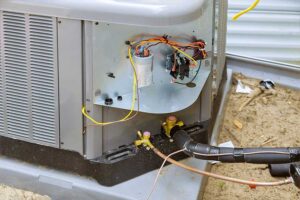
Keeping your AC’s refrigerant, commonly still called Freon, at the right level comes down to watching for leaks, keeping filters clean, and scheduling routine maintenance with a licensed technician. Low refrigerant shows up as weak cooling, ice on the coils, or unusual hissing sounds near the unit. In Inverness, IL, where large wooded lots and mature tree cover surround many homes, outdoor units need a bit more attention to stay clear of leaves and debris that can affect airflow and system performance. Here’s what to watch for and how to keep your system running the way it should.
Why Is Freon Essential for Your AC System?
Freon is essential because it’s the refrigerant that absorbs heat from inside your home and releases it outside, which is the entire mechanism that makes your AC cool your house.
Without the right refrigerant charge, your system physically cannot move heat the way it’s designed to, no matter how well everything else is running. That shows up fast as reduced cooling and climbing energy bills.
Refrigerant also plays a role in managing indoor humidity, which matters for both comfort and air quality. When levels drop, you may notice your home feels muggier even when the temperature seems fine.
If your AC seems to be struggling to keep up, low refrigerant is often part of the story. Our experienced repair technicians can test your system’s charge and pinpoint whether refrigerant levels are the root cause.
How Can You Identify Low Freon Levels in Your AC?
The clearest signs of low Freon are weak cooling, ice buildup on the coils or lines, and hissing or bubbling sounds coming from the unit.
These three indicators are worth watching for closely.
- Poor Cooling Performance: If your AC isn’t cooling your home the way it used to, low refrigerant is one of the most common causes.
- Ice Buildup: Ice forming on the refrigerant lines or evaporator coil is a dependable sign that levels have dropped low enough to affect performance, and it can lead to further damage if left alone.
- Hissing or Bubbling Noises: These sounds usually point to refrigerant escaping through a leak, and they’re worth addressing before the problem grows.
Catching these signs early keeps a small issue from turning into a bigger repair. Routine visits built around seasonal AC maintenance give a technician the chance to catch low refrigerant before you’d notice any of these symptoms yourself.
What Are the Best Ways to Maintain Freon Levels in Your AC?
Maintaining healthy Freon levels comes down to watching for leaks, changing filters monthly, keeping the outdoor unit free of debris, and scheduling routine professional maintenance.
A small crack or worn fitting can leak refrigerant slowly over months, so it’s worth paying attention to your system’s performance rather than waiting for a total breakdown. Any drop in cooling efficiency or a new sound from the unit is worth having a technician look at.
Filters matter more than most homeowners realize. A clogged filter restricts airflow and forces the system to work harder, which puts extra strain on the refrigerant circuit. Changing or cleaning filters on a regular schedule is one of the simplest ways to protect the system overall.
In Inverness, IL where large wooded lots and mature tree cover surround many homes, outdoor units tend to collect leaves, seed pods, and other debris faster than they would in a more open setting. Keeping the area around the unit clear improves airflow and helps the whole system, including refrigerant performance, run the way it should.
Scheduling routine maintenance with an experienced AC company ties all of this together. A trained technician catches the small issues, the ones easy to miss from the outside, before they turn into a bigger repair.
When Should You Call a Professional for Freon Issues?
Call a professional as soon as you notice hissing sounds, weak cooling despite the AC running, rising energy bills, or ice on the coils, since these all point to a refrigerant issue that needs a trained technician.
A few specific signs mean it’s time to stop troubleshooting on your own and bring in a professional.
- Increased Energy Bills: A sudden jump in utility costs often means your AC is working overtime to compensate for low refrigerant.
- Frost on Coils: Ice forming on the evaporator coils is a dependable sign that refrigerant levels have dropped enough to affect performance.
- Frequent Repairs: If you’re calling for AC service more often than you used to, it’s worth having a technician evaluate the system as a whole rather than treating each issue separately.
Refrigerant work also requires EPA certification, so it isn’t something to handle without the right training and equipment. Pairing prompt repairs with routine filter replacement helps prevent the kind of strain that leads to refrigerant issues in the first place.
Why Does Regular AC Maintenance Matter for Freon Levels?
Regular AC maintenance matters because it catches small leaks and inefficiencies before they affect your refrigerant charge or your comfort.
Routine check-ups give a technician the chance to catch potential leaks or inefficiencies early, which helps keep refrigerant levels where they need to be and keeps the whole system performing the way it should.
A trained eye also catches worn components or improper refrigerant levels that are easy to miss otherwise. Addressing these early prevents unnecessary strain on the unit, extends its lifespan, and saves money over time.
For larger, estate-style homes around Inverness, consistent maintenance matters even more, since bigger square footage means the system has to move more air and maintain refrigerant pressure across a larger space. Investing in consistent care means fewer surprises and a more comfortable home through the hottest parts of the year.
Keeping Your Inverness Home Cool All Summer
Staying ahead of your AC’s refrigerant levels is one of the simplest ways to protect your comfort and your budget through the hottest months of the year. Watching for the warning signs, keeping filters clean, and clearing debris from around the outdoor unit all go a long way between professional visits.
When something doesn’t seem right, whether that’s a strange sound, weak cooling, or a rising energy bill, it’s worth having a trained technician take a look before a small issue turns into a bigger one. Get in touch with our team and we’ll help make sure your system is ready for whatever this summer brings to your Inverness home.
Frequently Asked Questions
Is Freon the Same Thing as Refrigerant?
Yes, Freon is a brand name that became a common way to refer to refrigerant, the substance that allows your AC to absorb and release heat. Most systems today use newer refrigerants, but many homeowners still use the term Freon out of habit.
Can I Add Refrigerant to My AC Myself?
No, refrigerant is regulated by the EPA and requires certified handling and equipment. Adding refrigerant without diagnosing the underlying leak often masks the real problem, which tends to lead to a repeat issue and a larger repair down the road.
How Often Should Outdoor AC Units Be Cleared of Debris in Inverness, IL?
Homes near Baker’s Lake and throughout the wooded areas around Palatine and Barrington tend to need outdoor units checked more often than homes in more open neighborhoods. Checking the unit every few weeks during peak leaf drop, and after storms, helps keep airflow clear and protects overall system performance.
What Happens if My AC Runs Low on Refrigerant for a Long Time?
Running low on refrigerant for an extended period forces the compressor to work harder than it’s designed to, which can shorten its lifespan and lead to a costly repair or replacement. Addressing a leak as soon as you notice symptoms is almost always less expensive than waiting.