
When your furnace decides to take a winter vacation, it feels like the universe conspires against your comfort. But don’t panic; you can tackle many common furnace issues systematically. Start by learning about your furnace’s essential components, like the heat exchanger and blower motor, and then check thermostat settings and air filters. While these steps might seem straightforward, some nuances can make or break your troubleshooting efforts. Curious about how to keep your home toasty and troubleshoot effectively? There’s more to discover in the following steps.
Understanding Your Furnace System
Before diagnosing furnace problems, it’s important to grasp how your system operates, including components like the heat exchanger, blower motor, and thermostat. The heat exchanger is vital; it warms the air before circulating throughout your home. You can think of it as the heart of your furnace. If it’s compromised, not only will efficiency drop, but it could also be dangerous due to potential carbon monoxide leaks.
Next, the blower motor distributes the heated air through your ductwork. If you notice weak airflow, the blower motor might struggle due to debris buildup or mechanical failure. A functional blower motor guarantees that your home heats evenly, enhancing comfort for everyone.
Checking the Thermostat Settings
To guarantee your furnace operates efficiently, verify that the thermostat is set to ‘heat’ and the desired temperature is above the current room temperature. This simple check prevents unnecessary troubleshooting for what might seem like a malfunctioning furnace. Confirm your thermostat is receiving power, whether it’s battery-operated or wired. Low batteries can cause erratic behavior and hinder communication with the furnace.
Next, examine the thermostat’s calibration. An incorrect calibration might lead to inaccurate displayed temperatures, impacting the furnace’s performance. If you suspect calibration issues, consult the thermostat’s manual for instructions or consider professional recalibration for precision. Using a programmable thermostat correctly, verify the programming aligns with your schedule and heating needs.
Consider the thermostat’s placement as well. It could register misleading temperatures if it’s located near heat sources, drafts, or direct sunlight, causing the furnace to overheat or remain inactive. Relocating the device might be necessary for ideal functionality.
Lastly, set your thermostat to’ auto’ if it has a fan setting. This setting helps the fan operate only when heating is required, boosting energy efficiency and comfort. By meticulously checking these settings, you confirm a warm and welcoming environment for those you serve.
Inspecting Air Filters
Regularly inspect your furnace’s air filters to guarantee ideal airflow and prevent potential blockages that can lead to reduced efficiency or system damage. Begin by locating the air filter in the return air duct or at the furnace’s entrance. Carefully remove it and examine the filter for dust, debris, or signs of wear. Dirty filters restrict airflow, forcing the furnace to work harder and possibly overheating the heat exchanger.
Replace disposable filters every 1-3 months, depending on usage and the presence of indoor pollutants like pet dander. For reusable filters, follow the manufacturer’s guidelines for cleaning and maintenance. If necessary, gently vacuum or wash them with water and mild detergent, ensuring they are completely dry before reinsertion to avoid mold growth.
Utilize filters with the right Minimum Efficiency Reporting Value (MERV) rating for your system. A MERV rating between 8 and 11 is generally suitable for residential use, balancing air quality and system efficiency. Keep spare filters on hand to facilitate timely replacements.
Examining Furnace Power Supply
Ensure your furnace is getting adequate power, that the circuit breaker hasn’t tripped, and that all electrical connections are secure. Start by locating your home’s electrical panel and identifying the breaker dedicated to the furnace. If the breaker is in the ‘off’ position or midway, reset it by switching it off completely and then back on. This step guarantees the power flow to the furnace is uninterrupted.
Next, inspect the furnace’s power switch, typically near the appliance. It resembles a light switch and should be in the ‘on’ position. Sometimes, this switch is inadvertently turned off during cleaning or maintenance, which can disrupt the furnace’s operation.
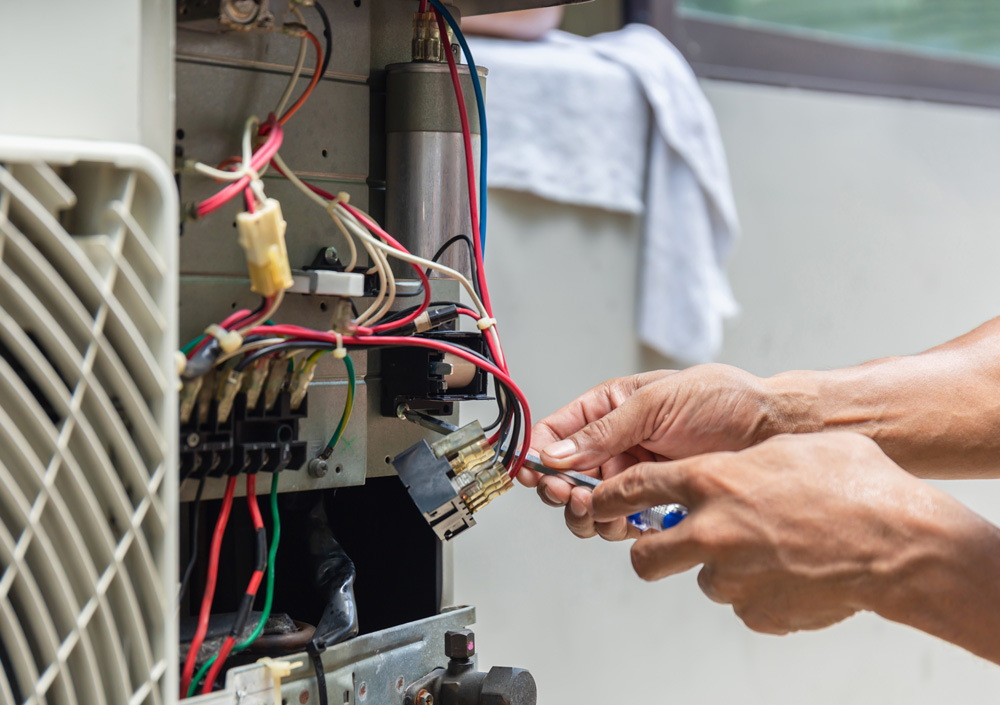
Ascertain all wiring connections are tight and free of corrosion. Loose or corroded connections can impede electrical flow, compromising the furnace’s efficiency. Use a multimeter to verify voltage levels across terminals, ensuring they align with manufacturer specifications.
Resetting the Furnace
When your furnace isn’t functioning properly, resetting can often resolve common issues and restore ideal operation. Begin by locating the furnace’s reset button, typically found near the blower motor or control panel. Confirm the furnace is completely powered down—either by switching off the furnace power switch or the circuit breaker. Wait a few minutes to allow any internal components to discharge fully.
Press and hold the reset button for about 30 seconds. This action clears any error codes from the control board and resets the system to default settings. Once released, restore power to the furnace and monitor its operation to confirm the reset’s effectiveness. This straightforward process often resolves minor hiccups like interrupted cycles or ignition failures.
However, if the furnace repeatedly requires resetting, it might indicate deeper issues such as a faulty thermostat or clogged air filters. Regular maintenance, including filter replacement and thermostat calibration, can prevent recurring resets. Remember, while a reset is a helpful troubleshooting step, persistent problems should be addressed by a professional HVAC technician to confirm safe and efficient furnace operation. Your commitment to serving others means confirming their home’s warmth and comfort.
Addressing Unusual Noises
After resetting the furnace, pay attention to any unusual noises, as they can indicate underlying mechanical issues requiring further investigation. Common sounds include banging, whistling, or rattling. Each noise often points to a specific problem. A banging sound might signal delayed ignition due to gas buildup or a dirty burner. To address this, inspect and clean the burners if necessary, guaranteeing gas flows smoothly.
Whistling usually suggests airflow restrictions. Check the air filter; if it’s clogged, replace it with a clean one to restore proper air circulation. Rattling often indicates loose panels or screws. Tighten loose components to prevent further damage and ensure the unit operates effectively.
Additionally, pay attention to a squealing sound, which could mean a slipping or worn-out blower belt. Inspect the belt for wear and tension and replace it if needed. A well-maintained belt guarantees ideal blower function, critical for evenly distributing heat throughout your home.
Troubleshooting the Pilot Light
To troubleshoot the pilot light, first verify that it’s receiving an adequate gas supply and isn’t obstructed by dirt or debris. Confirm that the gas valve is open. If the gas flow seems restricted, you might need to check the gas line for any kinks or blockages. A dirty pilot light can cause the flame to flicker or go out. Use a small brush or compressed air to clean it gently, confirming that the flame sensor is unobstructed.
Next, assess the thermocouple, which acts as a safety device by shutting off the gas if the pilot light fails. If the thermocouple is faulty or misaligned, it won’t register the heat from the pilot light, cutting off the gas supply. Inspect it visually for any signs of damage or misalignment. If necessary, reposition it so that the pilot flame directly engulfs it.
If the pilot light still won’t stay lit, consider checking the pilot adjustment screw. This screw regulates the size of the pilot flame. Carefully adjust it to produce a steady blue flame. Always prioritize safety and consult the furnace’s manual for specific instructions on handling gas appliances.
Ensuring Proper Airflow
Maintaining proper airflow in your furnace system is essential for peak efficiency and preventing overheating issues. Start by checking the air filters. Dirty or clogged filters restrict airflow, making the furnace work harder, increasing energy bills, and potentially overheating. Depending on usage and manufacturer guidelines, replace filters every 1-3 months.
Next, inspect the blower motor. Listen for unusual noises, which can indicate motor or fan issues. Proper lubrication of moving parts and ensuring the blower wheel is clean and balanced will help maintain ideal airflow.
Ensure that all supply and return registers are open and unobstructed. Blocked registers can disrupt airflow balance, causing uneven heating and increased strain on the system. Encourage household members to avoid placing furniture or other items over these registers.
Additionally, examine the ductwork for leaks or obstructions. Leaky ducts can lose heated air, reducing efficiency. Seal any gaps or holes with mastic sealant or metal tape.
Dealing With Frequent Cycling
Experiencing frequent cycling in your furnace often points to issues with the thermostat settings or short-circuiting within the control board. Begin by checking the thermostat. Confirm it’s set to the correct mode and temperature. If it’s a programmable thermostat, verify that the schedule aligns with your daily routine and isn’t causing unnecessary cycling. Adjusting the anticipator lever might improve its response time, reducing cycling frequency.
Next, inspect the furnace filter. A clogged filter can cause the system to overheat, triggering the limit switch and resulting in frequent cycling. Replace it if it’s dirty.
Now, examine the control board for signs of short-circuiting. This involves turning off the power and looking for burnt-out areas or damaged components. If you notice anything unusual, it might require further inspection.
Additionally, check the blower motor. Confirm it’s functioning correctly, as a malfunctioning blower can lead to overheating and cycling issues. Lubricate any moving parts if necessary.
When to Call a Professional
When troubleshooting doesn’t resolve the issue and persistent problems occur, contacting a certified HVAC professional is crucial. Sometimes, furnace issues extend beyond simple fixes and require the expertise of someone trained in diagnosing complex systems. If you notice unusual noises, such as banging or screeching, it could indicate mechanical issues like a failing blower motor or loose components, which need professional attention.
Moreover, if your furnace frequently trips the circuit breaker or you smell gas, stop using it immediately. These are serious safety hazards and should be handled by a professional. When your furnace exhibits uneven heating, it might be due to ductwork issues or improper airflow, which a skilled technician can address efficiently.
Also, if your energy bills spike without a change in usage, there might be inefficiencies or leaks that require professional assessment. A certified HVAC professional can perform a thorough energy audit and recommend solutions. Remember, your goal is to guarantee safety and comfort for those you serve, so don’t hesitate to contact an expert. Doing so guarantees that your furnace operates safely and efficiently, providing reliable warmth to your household or service area.
Conclusion
You’re now armed with the know-how to tackle common furnace hiccups confidently. Remember, a stitch in time saves nine—addressing minor issues early prevents major headaches later. Keep your thermostat in check, air filters clean, and power supply steady. If your furnace’s still playing hard to get, don’t hesitate to call in the cavalry—a certified HVAC professional. Following this guide ensures your home stays cozy and warm, no matter the weather outside.
Frequently Asked Questions
How Can I Improve My Furnace’s Energy Efficiency?
To boost your furnace’s energy efficiency, guarantee regular maintenance, clean or replace air filters monthly, seal duct leaks, and install a programmable thermostat. These steps reduce energy consumption and improve comfort, guaranteeing you serve others effectively.
What Are the Signs of a Failing Furnace Blower Motor?
When your blower motor sounds like a freight train, it’s waving a red flag. Look for inconsistent airflow, overheating, and strange noises. Regularly check the bearings and capacitor to prevent a complete breakdown and guarantee efficient operation.
How Often Should I Schedule Professional Furnace Maintenance?
You should schedule professional furnace maintenance annually. This guarantees peak efficiency, prolongs equipment lifespan, and prevents unexpected breakdowns. Regular check-ups align with industry best practices, guaranteeing your system reliably serves others by maintaining a comfortable environment.
What Is the Average Lifespan of a Home Furnace?
When it comes to furnaces, they’ve got a lifespan of around 15-20 years. Keep your eye on the ball with regular maintenance. Replace filters, check burners, and inspect heat exchangers to guarantee efficient performance and longevity.
Can a Furnace Issue Affect Indoor Air Quality?
Yes, furnace issues can compromise indoor air quality. If your heat exchanger cracks, it may release carbon monoxide. Regularly inspect filters and ducts to prevent dust buildup and guarantee maximum combustion efficiency, protecting occupants’ health and comfort.