
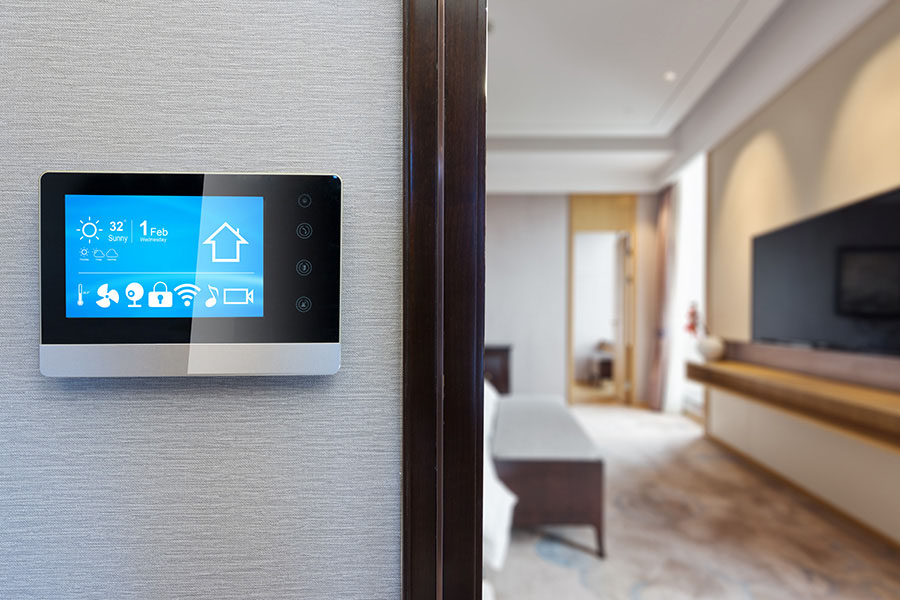
Installing a smart thermostat in Fox River Grove, IL, can significantly enhance your home’s energy efficiency and day-to-day comfort. The right placement, proper configuration, and routine attention to your HVAC system all determine how much value you get out of the upgrade. Understanding these factors is essential for getting the most out of your investment, and working with a qualified technician ensures the installation is handled correctly from the start.
Understanding the Benefits of a Smart Thermostat
A smart thermostat is more than a convenient piece of technology. It is a practical tool for improving how your home’s heating and cooling system performs over time.
These devices learn your household patterns, adjusting temperatures automatically based on your preferences and daily schedule. Rather than manually managing settings throughout the day, your system adapts to your routine and maintains comfort without constant input.
Energy savings are one of the most tangible benefits. By running your HVAC system only when and how it is needed, a smart thermostat reduces wasted energy and can produce noticeable reductions in monthly utility costs. Many models allow remote control through a smartphone, so adjustments can be made from anywhere, whether you are at work, running errands along Algonquin Road, or returning from a weekend away.
Energy usage reports give homeowners a clearer picture of their heating and cooling habits, which can inform better decisions over time. Features like scheduling and geofencing take that a step further by automating those decisions based on your location and daily patterns. A professional smart thermostat installation ensures the device is wired correctly and configured to work seamlessly with your existing HVAC equipment.
Choosing the Right Location for Installation
The location of a smart thermostat has a direct effect on how accurately it reads and manages your home’s temperature. Placement decisions that seem minor can significantly impact performance.
The thermostat should be mounted on an interior wall, ideally around five feet from the floor, where it can measure the ambient temperature of the living space without interference. Areas near windows, exterior doors, or drafts should be avoided, as those locations produce inaccurate readings that cause the system to overcorrect.
High-traffic areas such as hallways and main living spaces tend to work well because they reflect the temperature most occupants are actually experiencing. Appliances that generate heat, such as lamps, televisions, or kitchen equipment, should not be near the thermostat, as residual heat from those sources will cause the device to misread conditions.
Accessibility also matters. The thermostat should be positioned where household members can easily make adjustments as needed. In our service calls throughout Fox River Grove and the surrounding Cary and Algonquin area, proper placement is one of the first things we evaluate when a homeowner reports that their smart thermostat is not performing as expected.
Regular furnace maintenance works hand in hand with smart thermostat performance. A heating system that is not operating efficiently will undermine even the most carefully configured thermostat settings.
Configuring Your Smart Thermostat for Optimal Performance
Once installed in the right location, configuring the thermostat to match your household’s actual schedule is what allows it to deliver real efficiency gains.
Programming heating and cooling schedules based on when the home is occupied and unoccupied is a foundational step. During hours when the home is consistently empty, allowing the temperature to drift toward a less energy-intensive setpoint reduces runtime without sacrificing comfort when residents return.
Geofencing is a particularly useful feature for households with variable schedules. By using your smartphone’s location, the thermostat can begin conditioning the home as you approach, ensuring comfort on arrival without running the system unnecessarily while you are away.
Software updates should be applied as they become available. Manufacturers regularly release updates that improve functionality, address bugs, and occasionally introduce new efficiency features. Monitoring energy usage through the device’s companion app provides ongoing visibility into patterns and opportunities for further refinement. Pairing smart thermostat management with attention to indoor air quality gives you a more complete picture of your home’s overall comfort and health environment.
Integrating With Home Automation Systems
A smart thermostat becomes even more capable when integrated with broader home automation systems. Compatibility with voice assistants, smart lighting, and other connected devices allows for centralized control and more sophisticated automation routines.
Setting up coordination between your thermostat and other smart devices streamlines daily management. For example, a routine that lowers the temperature when the last person leaves and raises it before anyone returns optimizes energy use without requiring manual input. Linking the thermostat with occupancy or door and window sensors adds another layer of responsiveness.
A strong and reliable Wi-Fi network is a prerequisite for getting the most out of this kind of integration. Connectivity issues can prevent the thermostat from receiving commands or syncing data reliably, which undermines the convenience the system is meant to provide.
Based on what we see in Fox River Grove, IL properties, homes that invest in smart integration across multiple systems tend to see better overall efficiency outcomes than those using individual smart devices in isolation.
Regular Maintenance Tips for Longevity and Efficiency
Smart technology requires ongoing attention to perform at its best over time. A smart thermostat is only as effective as the HVAC system it is managing, which means maintenance of the broader system is just as important as the device itself.
HVAC filters should be inspected on a regular basis and replaced when dirty. Restricted airflow forces the system to work harder, reduces efficiency, and puts unnecessary strain on equipment. The thermostat’s sensors should be kept clean as well. Dust accumulation can affect accuracy, and a gentle wipe-down with a soft cloth periodically helps maintain reliable readings.
Recalibration of the thermostat twice a year is worth considering to confirm that temperature readings remain precise. Seasonal recalibration aligns especially well with the shift between heating and cooling seasons, which in the Fox River Grove area typically means transitioning in mid-spring and again in early fall.
Annual professional HVAC inspections remain essential even with a smart thermostat in place. Addressing AC repair needs proactively, before the peak cooling season, ensures that your system and your thermostat are working together effectively when demand is highest.

Getting the Most From Your Smart Thermostat in Fox River Grove, IL
A smart thermostat is a worthwhile investment for Fox River Grove homeowners who want better control over their comfort and energy costs. The benefits are real, but they depend on proper installation, thoughtful configuration, and consistent maintenance of the entire HVAC system.
Working with experienced professionals ensures that every part of the process is handled correctly, from placement and wiring to programming and integration. When you are ready to upgrade or want an expert assessment of your current setup, contact our team today to schedule a consultation.