
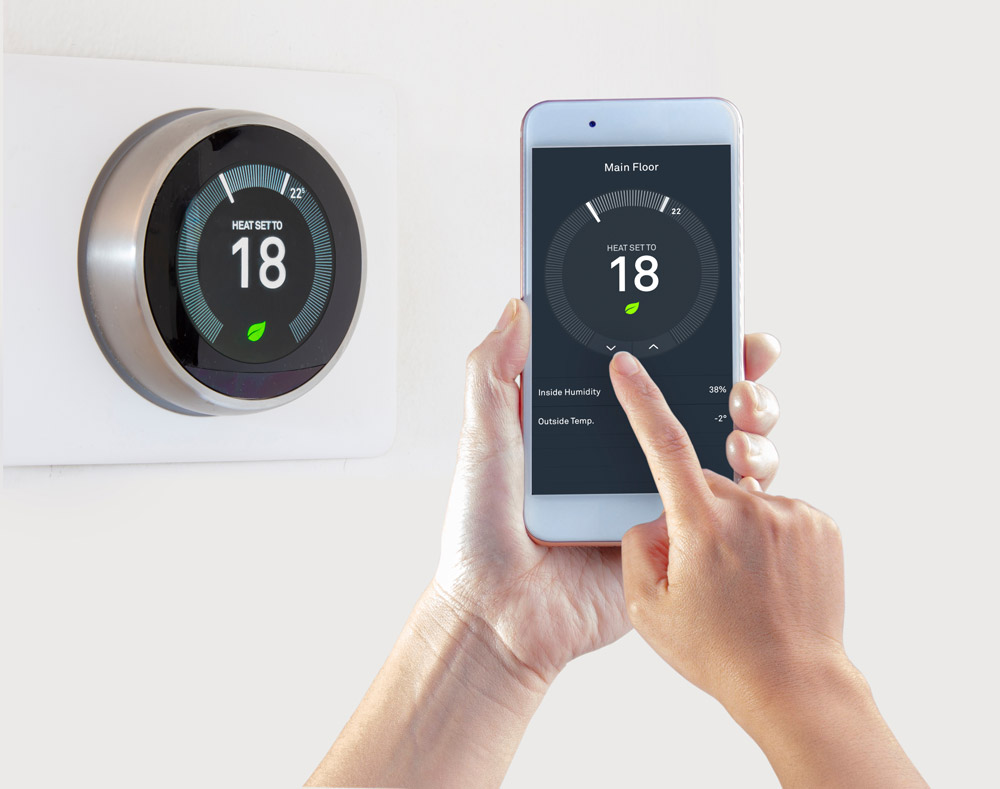
Did you know that smart thermostats can reduce your heating and cooling costs by up to 10% annually? As you explore ways to enhance energy efficiency in your home, these devices offer a compelling solution. Utilizing algorithms and connectivity, they adapt to your schedule and external conditions, minimizing waste. With the convenience of remote control through your smartphone, managing your energy consumption becomes a proactive task. Interested in understanding how to leverage these features for maximum savings and environmental benefits? There’s more to discover about optimizing your thermostat settings and choosing the right model.
Understanding Smart Thermostats
Smart thermostats, which integrate advanced algorithms and connectivity features, empower you to optimize energy consumption efficiently. By understanding how these devices function, you can better serve your household or community in achieving sustainability goals. Smart thermostats utilize machine learning to adapt to your routines, analyzing patterns to predict when to heat or cool your space. This predictive capability guarantees minimal energy waste, as the thermostat can make adjustments in real time based on occupancy and weather conditions.
Connectivity is another vital component. Through Wi-Fi, smart thermostats can be controlled remotely via smartphone apps, allowing you to make immediate adjustments from anywhere. This flexibility is instrumental in promoting proactive energy management, as you can respond to real-time usage data and alerts. Additionally, integration with other smart home devices provides a cohesive ecosystem that enhances overall efficiency.
Analyzing the data generated by smart thermostats gives you insights into energy usage trends. You can identify peak usage times, enabling you to strategize on reducing consumption during those periods. In a broader context, adopting smart thermostats reflects a commitment to leveraging technology to serve others by fostering a sustainable and environmentally responsible living environment.
Benefits of Energy Efficiency
Embracing energy efficiency not only reduces utility bills but also minimizes environmental impact by decreasing the demand for fossil fuels. When you optimize your energy use, you’re actively contributing to a more sustainable future. By using less energy, you help reduce greenhouse gas emissions, which are a notable contributor to climate change. This is essential for those who prioritize serving others and protecting the environment for future generations.
Incorporating energy-efficient practices into your daily routine can greatly decrease the strain on the power grid, especially during peak usage times. This not only helps prevent blackouts but also guarantees that energy resources are available for communities that need them most. Additionally, many regions offer incentives for energy-efficient homes, allowing you to reinvest savings into other community-focused initiatives.
Key Features to Look For
As you aim to enhance energy efficiency in your home, it’s important to evaluate smart thermostats based on their ability to learn your schedule, integrate with other smart devices, and offer remote access through mobile apps. A smart thermostat that learns your routines can optimize temperature settings, guaranteeing comfort while reducing energy consumption during periods when you’re away. Integration with other smart home devices, such as lights and security systems, can further streamline energy management, creating a cohesive ecosystem that responds dynamically to your presence and preferences.
When analyzing these devices, consider the following key features:
- Learning Algorithms: Choose thermostats with advanced learning algorithms that adapt to your habits over time, providing personalized energy-saving solutions.
- Smart Home Compatibility: Confirm compatibility with major smart home platforms like Amazon Alexa, Google Assistant, or Apple HomeKit, allowing for seamless interaction and voice control.
- Geofencing Capabilities: Opt for models offering geofencing technology, which adjusts settings based on your proximity to home, enhancing convenience and efficiency.
Installation Tips and Tricks
To guarantee a seamless installation of your smart thermostat, start by reviewing the manufacturer’s instructions thoroughly, paying close attention to wiring compatibility and system requirements. Confirm your home’s HVAC system supports the smart thermostat model you’ve chosen. Some systems might require a C-wire for power. If your system lacks a C-wire, consider using a C-wire adapter or selecting a model that doesn’t require one.
Turn off the power on your HVAC system at the circuit breaker before beginning any installation work. Remove the existing thermostat, noting the wire connections with labels or photos to confirm accurate reconnection. Most smart thermostats come with a wall plate; use it to cover any holes or marks left by the old unit.
Mount the new thermostat securely and connect the wires to the appropriate terminals. Double-check connections against the manufacturer’s wiring diagram to prevent errors. Once installed, restore power and follow the setup instructions to connect the thermostat to your Wi-Fi network.
Lastly, test the system to confirm proper functionality before finalizing the installation. This guarantees you’re ready to optimize energy savings and comfort for those you serve, enhancing their living environment efficiently.
Optimizing Thermostat Settings
Fine-tuning your smart thermostat settings can greatly enhance energy efficiency and reduce utility bills by intelligently adapting to your household’s patterns and preferences. A strategic approach involves analyzing your daily schedule, seasonal changes, and occupancy patterns to create a personalized heating and cooling plan. Leveraging features like geofencing allows your thermostat to detect when you’re away, automatically adjusting temperatures to save energy without sacrificing comfort.
Consider the following steps to optimize your thermostat settings:
- Analyze Usage Patterns: Regularly review your energy consumption data to identify trends and adjust settings accordingly. This guarantees your thermostat aligns with real-time behavioral shifts.
- Set Temperature Ranges: Establish a range of temperatures that maintain comfort while minimizing energy use. For instance, during winter, set it a few degrees lower when you’re asleep or out.
- Utilize Adaptive Learning: Many smart thermostats learn your preferences over time. Embrace this feature to have your device automatically adjust to your desired comfort levels.
Integrating With Smart Homes
Integrating your smart thermostat with an extensive smart home system enhances energy efficiency by enabling seamless communication between devices, allowing for synchronized climate control based on real-time data and user preferences. This integration facilitates automated adjustments, responding intelligently to changes in occupancy or external conditions. For instance, when your security system detects that the house is empty, it can signal the thermostat to adjust temperatures, reducing energy consumption.
You can take advantage of smart home hubs like Amazon Alexa or Google Assistant to create routines that align with your specific schedule and preferences. By doing so, you guarantee that your home’s climate control is optimized for both comfort and efficiency. Additionally, smart thermostats can communicate with other energy-consuming devices, such as smart lights and appliances, coordinating their operation to avoid peak energy usage times.
To achieve this synergy, confirm all your smart devices are compatible and connected to the same network. Regularly update the devices’ firmware to improve functionality and security. This holistic approach not only maximizes energy savings but also supports a more sustainable lifestyle, aligning with your goal of making a positive impact on the environment and others.
Monitoring Energy Usage
Leveraging smart thermostats for monitoring energy usage allows you to gain real-time insights into your consumption patterns, helping you identify opportunities for reducing waste and enhancing efficiency. By installing these intelligent devices, you can track and analyze how your heating and cooling systems perform throughout the day. This data empowers you to make informed decisions that benefit both your household and the environment.
Smart thermostats provide detailed energy reports, often broken down by hour, day, or month. This granular level of data is essential for understanding where inefficiencies lie. Real-time alerts can notify you of unusual spikes in energy usage, prompting immediate action to mitigate waste.
Consider the following advantages:
- Optimization: Continuous monitoring allows you to fine-tune settings, ensuring your system operates only when necessary reducing unnecessary energy expenditure.
- Predictive Maintenance: By analyzing usage patterns, you’re alerted to potential system issues before they escalate, maintaining efficiency and prolonging equipment life.
- Behavioral Insights: Smart thermostats reveal how lifestyle choices impact energy consumption, guiding you to adopt more sustainable habits.
Choosing the Right Model
Selecting the right smart thermostat model involves evaluating key features such as compatibility, connectivity options, and user interface to guarantee it meets your specific energy management needs. Start by ensuring compatibility with your existing HVAC system. Not all thermostats work with every setup, so it’s essential to verify that your chosen model supports your system type, whether it’s a gas, electric, or heat pump.
Next, consider connectivity options. Wi-Fi-enabled models allow remote access, letting you adjust settings from anywhere. This feature is significant if you want to monitor and control energy usage while you’re not at home. Some models offer additional integrations with smart home systems like Amazon Alexa, Google Assistant, or Apple HomeKit, which can enhance convenience and efficiency.
The user interface is another critical factor. Look for a model with an intuitive, easy-to-navigate interface, as this impacts how effectively you can manage your home’s temperature settings. A clear display and straightforward controls make it simpler to optimize energy savings.
Ultimately, selecting the right smart thermostat is about aligning the device’s capabilities with your needs, ensuring you can contribute to energy conservation while maintaining comfort in your home.
Troubleshooting Common Issues
Many smart thermostat users encounter common issues like connectivity problems, inaccurate temperature readings, or unresponsive interfaces, but understanding the root causes can help you resolve these challenges efficiently. For connectivity issues, check your Wi-Fi signal strength and network settings. A weak signal might cause intermittent disconnections. Confirm your thermostat’s firmware is up-to-date, as manufacturers often release updates that enhance connectivity and performance.
Inaccurate temperature readings might stem from poor placement. Avoid installing the thermostat near heat sources or in direct sunlight, as these can skew temperature sensors. Regularly calibrate your device to maintain accuracy. If the interface becomes unresponsive, a simple restart or reset might suffice. However, persistent issues could indicate hardware malfunctions, which may require professional assistance.
To troubleshoot effectively:
- Connectivity Check: Confirm a stable Wi-Fi connection and update firmware regularly.
- Temperature Calibration: Verify placement and recalibrate the thermostat for precise readings.
- Interface Responsiveness: Restart the device and consider professional help for ongoing problems.
Future of Smart Thermostats
As technology continues to advance, smart thermostats are poised to become integral components in energy-efficient homes, offering enhanced features like machine learning algorithms and integration with smart grids. These innovations will allow you to optimize energy usage dynamically, tailoring heating and cooling schedules based on your daily habits and preferences. Machine learning will enable your thermostat to predict your needs, minimizing energy waste while ensuring comfort.
Moreover, integration with smart grids will let you participate in demand response programs, playing a role in stabilizing the energy grid. During peak periods, your smart thermostat can automatically adjust settings to reduce load, contributing to energy conservation efforts on a larger scale. This not only benefits the environment but also helps lower your utility costs.
As these devices evolve, expect increased compatibility with other smart home technologies, creating a seamless and intuitive user experience. You’ll be able to manage your home’s energy consumption holistically using data-driven insights provided by your thermostat. The future of smart thermostats promises more than just comfort—it offers a way for you to actively contribute to energy efficiency and sustainability, aligning with broader goals of serving society and the planet.
Conclusion
With smart thermostats, you’re not just adjusting the temperature; you’re stepping into the future, like upgrading from a horse-drawn carriage to a sleek electric car. These devices offer real-time control, energy insights, and adaptability to your routine. By mastering installation, settings, and model selection, you’ll optimize energy use and cut costs. As technology evolves, smart thermostats will become even more intuitive, making your home a model of efficiency and environmental consciousness. Embrace this tech revolution today.
Frequently Asked Questions
How Do Smart Thermostats Affect My Monthly Energy Bill?
Smart thermostats optimize your home’s heating and cooling by learning your schedule and preferences. They adjust temperatures automatically, reducing energy waste. You’ll see lower monthly bills while contributing to environmental sustainability and serving community energy needs.
Are Smart Thermostats Compatible With All HVAC Systems?
You should check compatibility before installing a smart thermostat. Not all units work with every HVAC system. Researching your system’s specifications guarantees proper integration, preventing installation issues, and efficiently serving others by promoting energy conservation.
Can a Smart Thermostat Improve Home Resale Value?
You might think a smart thermostat’s value is negligible, but it actually enhances home resale value by showcasing energy efficiency and modern technology integration, appealing to eco-conscious buyers seeking sustainable living solutions and a commitment to serving future generations.
What Are Privacy Concerns With Smart Thermostats?
You might worry about smart thermostats collecting personal data, like your daily routines. Manufacturers can share this data, potentially compromising your privacy. To protect yourself, review privacy policies and adjust settings to limit data sharing.
How Do Smart Thermostats Benefit Renters?
Imagine a dial-up era transformed: smart thermostats empower renters by autonomously optimizing energy use, reducing bills, and enhancing comfort. They seamlessly adjust to your schedule, providing control without permanent installations and serving both personal and environmental well-being.