
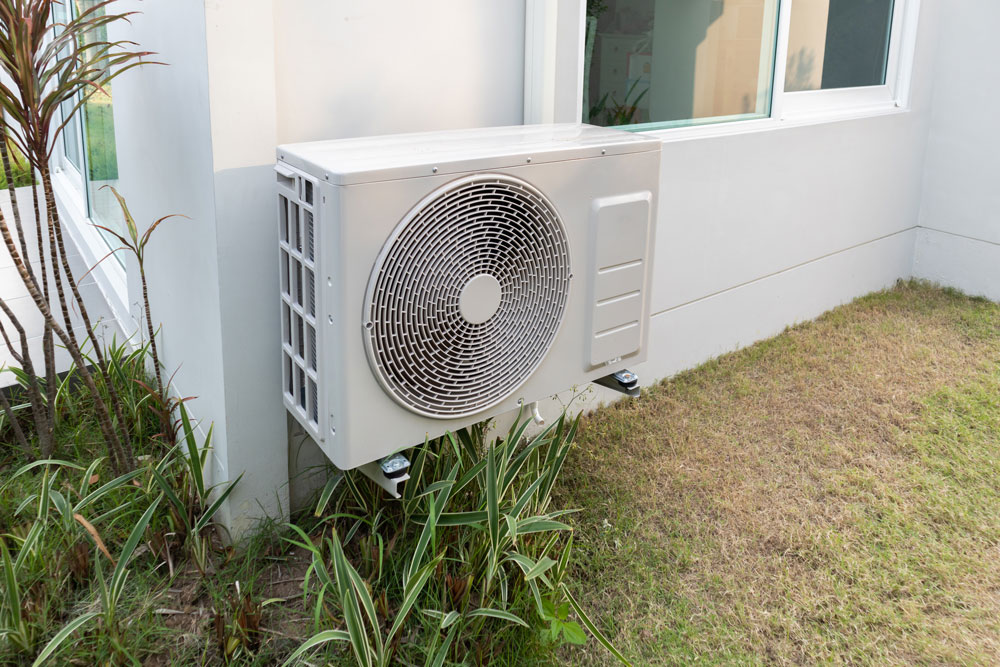
You’re probably familiar with the basics of heat pumps, but have you considered how they can truly transform your home’s comfort and energy efficiency? You can greatly enhance your living environment by selecting the right type and size and ensuring proper installation. It’s not just about keeping warm; it’s also about cutting costs and reducing your carbon footprint. With advancements like variable-speed compressors and smart controls, the potential for energy savings is growing. But how do you navigate these options and implement effective strategies? Let’s explore how you can maximize your heat pump investment.
Understanding Heat Pump Technology
At the core of heat pump technology is the principle of heat transfer, which efficiently moves thermal energy from one location to another, providing both heating and cooling solutions. This process doesn’t create heat; instead, it relocates it, making it an energy-efficient option for climate control. By understanding the mechanics, you can better serve clients seeking sustainable and cost-effective comfort in their environments.
When you explore the components, note that a heat pump system comprises an evaporator coil, a compressor, a condenser coil, and an expansion valve. The refrigerant circulates through these parts, absorbing heat from the outside air, ground, or water source. As the refrigerant evaporates at the evaporator coil, it draws heat from its surroundings. The compressor then pressurizes the refrigerant, increasing its temperature. This heat is released inside through the condenser coil.
As you diagnose or install these systems, remember that proper sizing and installation are critical. An undersized pump struggles to meet demand, while an oversized unit cycles inefficiently. Your expertise in optimizing these variables guarantees clients a system that truly meets their needs, maximizing comfort and energy savings.
Benefits of Heat Pumps
Heat pumps offer considerable energy savings by utilizing existing thermal energy, making them ideal for residential and commercial climate control needs. They achieve higher efficiency ratios by transferring heat rather than generating it, often exceeding 300%. This means for every unit of electricity consumed, heat pumps deliver three or more units of heating or cooling. You’ll greatly reduce your carbon footprint and operational costs, aligning with sustainability goals critical to serving others and the planet.
Heat pumps provide versatile temperature regulation, seamlessly shifting between heating and cooling. This adaptability guarantees peak comfort regardless of season, making them indispensable in climates with varying temperatures. Their design minimizes energy wastage thanks to inverter technology that regulates compressor speed based on demand, enhancing efficiency.
Moreover, heat pumps integrate easily with smart thermostats and home automation systems. This connectivity allows remote monitoring and control, empowering you to adjust settings for comfort and efficiency. The simplicity of installation and maintenance further underscores their value. Unlike traditional HVAC systems, heat pumps require less intrusive ductwork and fewer mechanical components, reducing potential service interruptions. By investing in heat pump technology, you’re not just enhancing comfort; you’re promoting energy responsibility and community welfare.
Types of Heat Pumps
Exploring the different types of heat pumps will help you identify the best system for your specific heating and cooling needs. Each has unique advantages tailored to varying environmental conditions and infrastructure requirements. Understanding these types will enable you to make informed decisions, ultimately optimizing energy efficiency and comfort for those you serve.
- Air-source heat pumps are the most common and versatile. They transfer heat between your building and the outside air. They’re ideal for moderate climates and offer cost-effective installation and maintenance solutions.
- Ground-source (geothermal) heat pumps: These systems provide superior efficiency and durability by leveraging the earth’s consistent temperature. They require more upfront investment and space for ground loop installation but deliver long-term savings in energy consumption.
- Water-source heat pumps: Utilizing water as a heat exchange medium, these systems are perfect for locations near abundant water sources. They offer high efficiency but necessitate proper water rights and environmental considerations.
Each type presents a unique value proposition, and selecting the right one guarantees you’re contributing positively to your environment and community. By understanding the intricacies of each system, you can provide sustainable solutions that align with your commitment to serving others effectively.
Selecting the Right Size
Determining the correct size of a heat pump is essential for ensuring ideal performance, energy efficiency, and cost-effectiveness in your specific application. When selecting a heat pump, consider the area’s square footage, insulation quality, and local climate conditions. An undersized unit will struggle to maintain comfort, leading to increased energy consumption and higher operational costs. Conversely, an oversized system will cycle on and off too frequently, reducing lifespan and compromising efficiency.
To accurately size your heat pump, conduct a load calculation using industry-standard methods, such as Manual J. This involves evaluating the building’s thermal characteristics, including heat gain and loss. Pay close attention to the Seasonal Energy Efficiency Ratio (SEER) and the Heating Seasonal Performance Factor (HSPF) ratings, which indicate efficiency levels. A higher rating means better energy performance, aligning with your commitment to serving others by reducing environmental impact and lowering utility bills.
Consult a professional HVAC technician who can use their technical expertise to guide you through this process. They’ll help maximize the heat pump’s benefits, ensuring it meets your environment’s unique demands while maintaining comfort and efficiency.
Installation Considerations
Proper heat pump installation is imperative for guaranteeing ideal performance, energy efficiency, and system longevity. Understanding the installation process can make all the difference when you’re committed to serving others by providing a comfortable environment. Start by selecting a qualified HVAC technician with the expertise and credentials necessary to navigate the complexities of heat pump systems. Their proficiency in refrigerant handling and electrical connections is essential.
Consider the following key factors during installation:
- Location: Ensure the heat pump is positioned in an area with sufficient airflow and free from obstructions, minimizing potential operational inefficiencies.
- Vibration Isolation: Implement vibration-damping mounts to reduce noise transmission and prevent structural damage over time.
- Ductwork Evaluation: Conduct a thorough assessment of existing ductwork to ensure it supports optimal airflow and doesn’t compromise system efficiency.
Proper commissioning is critical. Verify that the refrigerant charge aligns with manufacturer specifications, and confirm that controls are calibrated to match the specific needs of your space. Missteps during installation can lead to decreased system efficiency and increased operational costs. By prioritizing a meticulous installation process, you can enhance comfort and reliability, ultimately serving those who depend on you.
Energy Efficiency Tips
While a meticulous installation sets the foundation, enhancing your heat pump’s energy efficiency involves strategic adjustments and routine maintenance to guarantee maximum performance and cost savings. Begin by confirming your heat pump is operating within its Seasonal Energy Efficiency Ratio (SEER) and Heating Seasonal Performance Factor (HSPF) ratings. These metrics indicate the system’s efficiency under typical conditions. To achieve this, regularly adjust your thermostat settings to reflect seasonal changes, reducing energy consumption during lower-demand periods.
Incorporate zone control when possible. This approach allows you to direct heating or cooling only where needed, minimizing unnecessary energy expenditure. Utilize programmable or smart thermostats to create a schedule that aligns with your household’s activities. This minimizes waste and enhances energy usage based on occupancy patterns.
Furthermore, confirm your heat pump’s airflow is unobstructed. Clear any debris or foliage that may impede external units, and regularly check and replace air filters to maintain peak airflow and efficiency. Sealing ductwork is another critical step, as leaks can greatly reduce system efficiency by up to 30%. By implementing these energy-saving tactics, you’ll enhance your heat pump’s performance and contribute to a more sustainable environment.
Maintenance and Care
Regular heat pump maintenance is essential to guarantee its longevity and ideal performance. Establishing a routine can avoid costly repairs and keep the system operating efficiently. Start by checking the air filters monthly, as clean filters optimize airflow and enhance energy efficiency. A clogged filter can lead to system strain, reducing its lifespan. Inspect the outdoor unit regularly and verify it’s free from debris and obstructions that can impede airflow.
To maintain peak performance, you should:
- Schedule professional inspections: An HVAC specialist will assess refrigerant levels, inspect electrical connections, and clean coils, confirming your heat pump runs smoothly.
- Monitor the thermostat settings: Confirm the thermostat functions correctly to maintain consistent indoor temperatures and avoid unnecessary energy consumption.
- Lubricate moving parts: Proper lubrication minimizes friction, which can prevent wear and tear on the system’s components.
Being proactive about these tasks enhances the heat pump’s efficiency and supports your goal of serving others by providing a comfortable environment. Remember, a well-maintained heat pump saves you time and money and contributes to a sustainable future by conserving energy resources.
Cost-Saving Strategies
Implementing strategic energy management techniques can markedly reduce operational costs associated with your heat pump. Begin by fine-tuning your thermostat settings. Program it to adjust automatically according to your building’s occupancy patterns. This minimizes energy waste when heating or cooling isn’t necessary. Integrating a smart thermostat can enhance efficiency by learning your usage habits and making real-time adjustments.
Consider performing a thorough energy audit. This will identify inefficiencies and provide actionable insights into reducing energy consumption. Pay attention to the heat pump’s SEER (Seasonal Energy Efficiency Ratio) and HSPF (Heating Seasonal Performance Factor) ratings. These metrics are essential for evaluating performance and pinpointing potential upgrades.
Regularly inspect and replace air filters to guarantee ideal airflow and prevent the system from overworking, which can drive up costs. Seal ducts to eliminate leaks that lead to energy loss.
Leveraging utility incentives and rebates for energy-efficient systems can further reduce expenses. Many utility companies offer financial incentives for adopting high-efficiency equipment. Finally, consider time-of-use energy pricing plans, which allow you to shift usage to off-peak periods and benefit from lower rates. By employing these strategies, you’ll cut costs and enhance comfort and reliability.
Environmental Impact
Moving to heat pump solutions greatly reduces greenhouse gas emissions by utilizing electricity instead of fossil fuels for heating and cooling. As you explore these systems, it’s essential to understand their role in minimizing carbon footprints. Heat pumps operate at a higher coefficient of performance (COP) than traditional HVAC systems, converting electricity into heat more efficiently. By choosing heat pumps, you’re optimizing energy use and championing environmental stewardship.
Consider these key environmental benefits:
- Reduced Carbon Emissions: Heat pumps lower CO2 emissions using renewable energy sources.
- Decreased Air Pollution: With fewer emissions, you contribute to cleaner air, benefiting ecosystems and public health.
- Sustainable Energy Utilization: Heat pumps harness ambient air, ground, or water, promoting sustainable resource use.
When you prioritize heat pump installations, you’re actively participating in tackling environmental challenges. The technology’s adaptability to various climates and integration with renewable energy sources further enhances its appeal. You align your goals with broader societal needs by moving towards cleaner, sustainable solutions. Your commitment to reducing environmental impact through heat pumps demonstrates your dedication to serving current and future generations.
Future Innovations in Heat Pumps
As environmental awareness grows, the heat pump industry innovates with advanced technologies like variable-speed compressors and integrated smart controls to boost efficiency and adaptability. You’re looking at systems that adjust their output precisely to match the heating or cooling demand, reducing energy consumption and operational costs. Variable-speed compressors modulate the heat pump’s output, optimizing energy use and improving comfort levels. They guarantee your system operates at the ideal capacity, enhancing efficiency and comfort.
Smart controls integrate with building management systems, allowing you to monitor and adjust settings remotely. These controls enable predictive maintenance, reducing downtime and extending system lifespan. They also have the potential to enhance user engagement through real-time feedback and energy usage analytics.
Emerging technologies such as thermally driven and solid-state heat pumps promise even greater efficiency and lower environmental impact. Thermally driven models use renewable heat sources, while solid-state versions rely on thermoelectric materials for a refrigerant-free solution. By adopting these innovations, you’re improving operational efficiency and contributing positively to environmental initiatives. Your proactive approach to embracing future-ready solutions guarantees you’re always at the forefront of sustainable comfort technology.
Conclusion
Remember that proper sizing and maintenance are essential to maximize comfort with efficient heat pump solutions. Did you know that an improperly sized heat pump can increase energy costs by up to 30%? This underscores the importance of expert installation and care. By embracing innovations like variable-speed compressors and smart controls, you’re enhancing home comfort and contributing to a sustainable future. Don’t overlook these strategies; they’re vital to optimizing performance and environmental impact.
Frequently Asked Questions
What are common heat pump noise levels, and how can they be Reduced?
Heat pump noise typically ranges between 40 and 60 decibels. To reduce it, guarantee proper installation, use sound blankets, and maintain clearance around units. Prioritize quiet models to efficiently serve your community’s comfort needs.
How Does a Heat Pump Affect Indoor Air Quality?
Heat pumps are the superheroes of HVAC systems. They enhance indoor air quality by circulating fresh air. They manage humidity levels efficiently and reduce pollutants, ensuring ideal comfort and health for those you serve. Prioritize regular maintenance.
Can Heat Pumps Be Used in Extremely Cold Climates?
Modern heat pumps still perform efficiently in extremely cold climates due to advanced technology like variable-speed compressors and enhanced defrost cycles. By selecting cold-climate models, you can guarantee peak operation and maximize comfort and energy efficiency for your community.
What Are the Typical Warranties Offered for Heat Pumps?
Why settle for less? Heat pump warranties typically range from 5 to 12 years, covering parts and labor. Ascertain you verify specifics, like compressor coverage. A robust warranty reflects the manufacturer’s confidence, enhancing your peace of mind.
How Do I Troubleshoot Common Heat Pump Issues?
First, check the thermostat settings and breaker. Confirm the air filter is clean. Inspect for refrigerant leaks or strange noises. Verify that the outdoor unit is clear of debris. If issues persist, consult a technician for advanced diagnostics and repairs.