
Do you know some heat pumps can utilize renewable energy sources like solar or geothermal? As you explore different heat pump options for your home, evaluating how climate, home size, and energy efficiency ratings impact your choice is crucial. Each type offers unique benefits, from versatile air-source systems to efficient ground-source models. Additionally, ductless mini-splits and variable-speed heat pumps provide enhanced comfort and flexibility. There’s much more to discover about how these systems work and which might suit your needs best. What other factors should you assess in your decision-making process?
Air-Source Heat Pumps
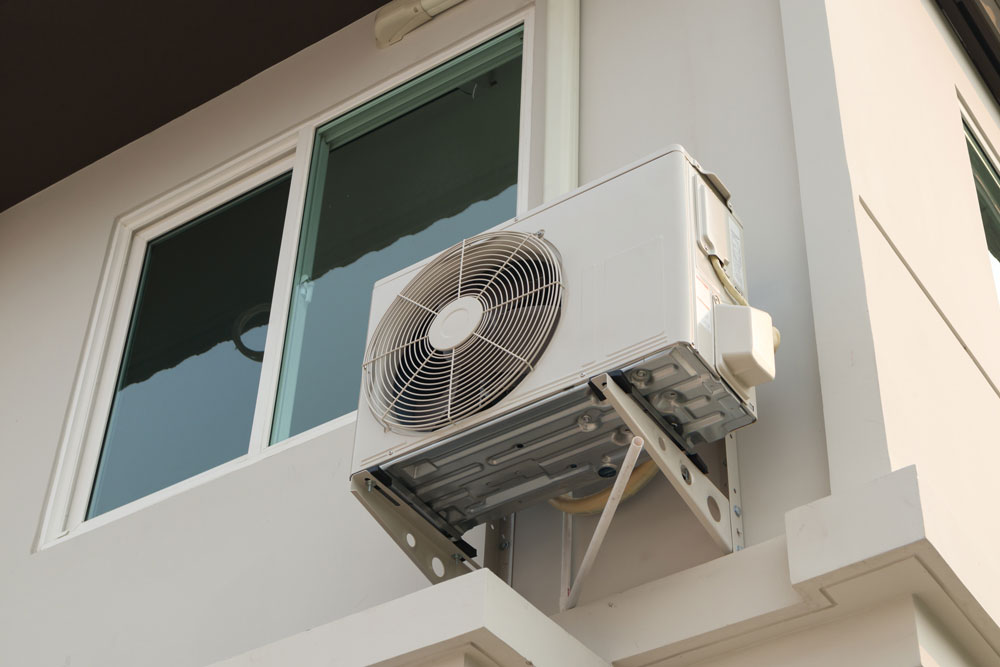
Air-source heat pumps are an efficient option for heating and cooling your home by transferring heat between your house and the outside air through a refrigerant cycle. By harnessing the thermal energy in the air, these systems provide a sustainable solution that considerably reduces your reliance on fossil fuels. They work by absorbing heat from the outside air and releasing it indoors during the heating season. In summer, the process reverses, extracting heat from your home and dissipating it outside, effectively cooling the interior.
Select a unit with a high Seasonal Energy Efficiency Ratio (SEER) and Heating Seasonal Performance Factor (HSPF) to maximize efficiency. These ratings will guide you in choosing a system that aligns with your climate needs. Proper installation and regular maintenance guarantee that the system operates at peak performance, enhancing its lifespan and reliability.
When you opt for an air-source heat pump, you’re not just investing in home comfort. You also contribute to a more sustainable future by reducing greenhouse gas emissions. This choice reflects a commitment to serving others by preserving the environment for future generations, aligning with the values of those who prioritize community welfare.
Ground-Source Heat Pumps
While air-source heat pumps utilize ambient air, ground-source heat pumps or geothermal heat pumps, leverage stable underground temperatures to provide an efficient and reliable solution for heating and cooling your home. These systems capitalize on the earth’s consistent temperature, around 50°F to 60°F, to transfer heat to and from your home, offering enhanced energy efficiency compared to traditional systems.
To install a ground-source heat pump, you’ll need to bury a series of pipes—called a loop system—horizontally or vertically in the ground. The loop system circulates a liquid solution that absorbs or dissipates heat from the ground. During winter, it extracts heat from the earth to warm your home; in summer, it reverses to expel heat from your house back into the ground.
Ductless Mini-Split Systems
Ductless mini-split systems offer a flexible and efficient solution for heating and cooling individual rooms in your home without requiring extensive ductwork. These systems consist of an outdoor compressor and one or more indoor units, which can be strategically placed to target specific areas. This allows you to create customized climate zones, which can be particularly beneficial if you have family members with different temperature preferences or if some rooms need more climate control.
Installation is relatively straightforward since it involves only a small hole in the wall for the conduit, which houses the power and refrigerant lines. This makes it an excellent choice if minimizing disruption is important to you. Additionally, mini-splits are known for their high energy efficiency, often featuring inverter technology that adjusts the compressor speed to maintain the desired temperature while using less energy.
You’ll also appreciate the ease of maintenance. With a simple filter cleaning routine and occasional professional servicing, these systems can provide reliable performance for many years. By opting for a ductless mini-split system, you’re enhancing your home’s comfort and making a decision that reflects your commitment to serving others with a more environmentally friendly choice.
Absorption Heat Pumps
Absorption heat pumps provide an energy-efficient alternative to conventional systems by utilizing heat as their primary energy source rather than electricity, making them an innovative solution for sustainable home heating and cooling. These systems primarily use natural gas, solar-heated water, or geothermal-heated water to drive the refrigeration cycle, which makes them particularly appealing in regions with abundant renewable thermal energy sources. As someone interested in serving others, you can appreciate how absorption heat pumps reduce carbon footprints and promote environmental sustainability.
The working fluid in an absorption heat pump is typically a water-ammonia or lithium bromide-water mixture. The process involves an absorber, generator, condenser, and evaporator. Heat is applied to the generator, causing the refrigerant to vaporize. The vapor is then absorbed in the absorber, releasing heat that can be used for space heating. This cycle repeats, providing efficient heating and cooling capabilities.
To optimize performance, guarantee proper installation and regular maintenance, as these systems can be sensitive to operational conditions. By choosing an absorption heat pump, you’re investing in a technology that supports community well-being through reduced energy consumption and reliance on cleaner energy sources.
Dual-Fuel Heat Pumps
Dual-fuel heat pumps combine the efficiency of electric heat pumps with the reliability of gas furnaces, providing a versatile solution that automatically switches between energy sources to enhance performance based on outdoor temperatures. This system excels in moderate climates, using the electric heat pump to heat and cool your home efficiently when temperatures are mild. However, the gas furnace kicks in when the mercury plummets, ensuring reliable and powerful heating performance even in extreme cold.
In choosing a dual-fuel system, you invest in technology that balances cost-effectiveness with environmental considerations. The electric component reduces your carbon footprint during milder conditions, while the gas furnace offers a dependable backup, minimizing the risk of your home being left in the cold. It’s essential to size the system correctly; a professional assessment of your home’s heating and cooling needs is advisable for best efficiency and comfort.
Maintenance for dual-fuel systems requires knowledge of electric heat pumps and gas furnaces, ensuring each component operates seamlessly. Regular inspections and servicing enhance longevity and operational efficiency. By integrating these systems, you serve your household’s comfort, contribute to reducing energy consumption, and support environmental sustainability.
Geothermal Heat Pumps
Geothermal heat pumps tap into the earth’s stable temperatures to provide an energy-efficient solution for heating and cooling your home. By utilizing the consistent underground temperatures, these systems effectively transfer heat to and from the ground, maximizing energy efficiency year-round. Since geothermal systems rely on renewable energy, you can considerably reduce your carbon footprint, which aligns with sustainability goals.
These systems have three main components: the ground loop, the heat pump unit, and the distribution system. The ground loop, typically made of high-density polyethylene, circulates a water-based solution through underground pipes. The heat pump extracts heat from this solution during winter, while it reverses the process in summer, transferring heat from your home back into the earth. The distribution system then delivers the conditioned air throughout your space.
Installation requires a considerable upfront investment and a suitable amount of land for the ground loop, but the long-term savings on energy bills can outweigh these initial costs. Geothermal heat pumps boast impressive longevity, often lasting 25 years for the indoor components and over 50 years for the ground loop. By choosing this system, you prioritize efficiency and sustainability while serving the environment and your community.
Variable-Speed Heat Pumps
While geothermal heat pumps offer an efficient solution through stable underground temperatures, variable-speed heat pumps provide precise control and adaptability by adjusting their compressor speed to match your home’s heating and cooling demands. These systems operate more efficiently than traditional single-speed models, as they can run at lower speeds for longer periods, reducing energy consumption and improving comfort levels. By modulating the compressor speed, variable-speed heat pumps minimize temperature fluctuations and maintain a consistent indoor climate, which is particularly beneficial for those seeking to serve others by guaranteeing a comfortable living environment.
In addition to energy efficiency, variable-speed heat pumps offer quieter operation. Because the compressor doesn’t need to cycle on and off as frequently, the system reduces noise, creating a more peaceful atmosphere that can enhance the well-being of those you care about. Moreover, these heat pumps can provide better humidity control. By operating continuously at lower speeds, they can remove more moisture from the air, essential for maintaining indoor air quality and preventing issues like mold growth. When selecting a variable-speed heat pump, consider factors such as the system’s SEER and HSPF ratings to guarantee peak performance and efficiency for your home.
Hybrid Heat Pump Systems
Hybrid heat pump systems combine the efficiency of electric heat pumps with the reliability of traditional gas furnaces, providing an adaptable solution for optimizing energy use in varying weather conditions. By integrating these two technologies, you achieve the best of both worlds: the electric heat pump efficiently heats and cools your home during milder temperatures. At the same time, the gas furnace kicks in during extreme cold, ensuring comfort and dependability.
When considering a hybrid system, pay attention to its operation strategy. The control board automatically selects the most efficient energy source based on outdoor temperatures. This seamless shift between the heat pump and the furnace can lower energy bills without sacrificing comfort. The hybrid system offers financial savings and reduces your carbon footprint, aligning with eco-friendly goals.
Furthermore, a well-maintained hybrid heat pump system can extend the lifespan of both components. Regularly scheduled maintenance checks are vital for ensuring both the heat pump and furnace operate at peak efficiency. By choosing a hybrid system, you’re investing in a versatile and sustainable solution that meets your home’s heating and cooling needs while effectively serving your family and the environment.
Heat Pump Efficiency Ratings
Understanding heat pump efficiency ratings is key to selecting a system that maximizes energy savings and performance, much like how hybrid systems leverage dual technologies for peak functionality. You’ll encounter terms like Seasonal Energy Efficiency Ratio (SEER), Heating Seasonal Performance Factor (HSPF), and Coefficient of Performance (COP). Each quantifies different aspects of a heat pump’s efficiency, giving you a thorough understanding of how well the system will serve your energy needs while minimizing environmental impact.
SEER measures cooling efficiency over a typical cooling season, with higher numbers indicating better performance. Look for heat pumps with a SEER rating of at least 15 for best efficiency. The HSPF rating assesses heating efficiency, comparing the total heat output over a season to the electricity consumed. An HSPF of 8.5 or higher is generally considered efficient. Finally, COP is a ratio of heat output to energy input at a specific temperature; a COP above 3 is typically ideal.
When you prioritize efficiency, you’re not just cutting down on energy bills but contributing to a sustainable future. By understanding these ratings, you guarantee to select a heat pump that aligns with your personal and broader community goals.
Choosing the Right Heat Pump
Selecting the right heat pump requires thoroughly analyzing your home’s heating and cooling needs, climate conditions, and available budget to confirm peak performance and efficiency. Begin by evaluating your home’s size and insulation levels, impacting the capacity and type of heat pump you’ll need. A well-insulated home in a mild climate might benefit from an air-source heat pump, which efficiently transfers heat between your home and the outside air.
Consider the climate: If you live in a region with harsh winters, a cold-climate heat pump or a ground-source (geothermal) heat pump will provide more consistent heating by using the stable temperatures underground. These options might require a higher initial investment but offer long-term savings due to their efficiency.
Next, assess your budget, factoring in the upfront costs, installation expenses, potential rebates, and long-term energy savings. Look at energy efficiency ratings, like the Seasonal Energy Efficiency Ratio (SEER) and Heating Seasonal Performance Factor (HSPF), to confirm choosing a model that aligns with your sustainability goals. By understanding these elements, you can select a heat pump that effectively meets your needs and enhances your home’s comfort while serving others efficiently.
Conclusion
Choosing the right heat pump is like crafting a bespoke suit—it requires precision and understanding of your unique needs. Assess your climate, space, and efficiency goals to tailor the perfect fit. Whether you opt for the versatility of air-source systems or the long-term savings of ground-source models, make certain your choice aligns with your home’s demands. Explore options like ductless mini-splits and variable-speed units to enhance comfort and sustainability, achieving an energy-efficient sanctuary.
Frequently Asked Questions
How Do Heat Pumps Perform in Extremely Cold Climates?
In extremely cold climates, heat pumps can struggle with efficiency. You should consider models with advanced technology, like variable-speed compressors or enhanced defrost features, to ensure they maintain warmth while minimizing energy use, thereby effectively serving your household.
What Maintenance Do Heat Pumps Require Annually?
You should inspect and clean filters, coils, and fans annually. You should also check refrigerant levels, guarantee proper airflow, and tighten electrical connections. Regular maintenance increases efficiency and lifespan, enabling you to provide reliable comfort for those you serve.
Can Heat Pumps Be Integrated With Smart Home Systems?
Yes, you can integrate heat pumps with smart home systems. Compatible devices enable remote control, energy efficiency, and system diagnostics. This integration guarantees peak performance, benefiting both your home’s energy usage and your desire to serve others efficiently.
How Noisy Are Heat Pump Systems During Operation?
Imagine peace disrupted—how noisy are they? Heat pump systems vary; modern models operate quietly at 40-50 dB, like a library, while older units can reach 60-70 dB, akin to a conversation. Your choice impacts tranquility.
Are Heat Pumps Eligible for Government Rebates or Incentives?
You’re in luck! Heat pumps often qualify for government rebates and incentives. Check local programs, as eligibility varies by region. These incentives can considerably reduce upfront costs, making energy-efficient upgrades more accessible for serving your community.