
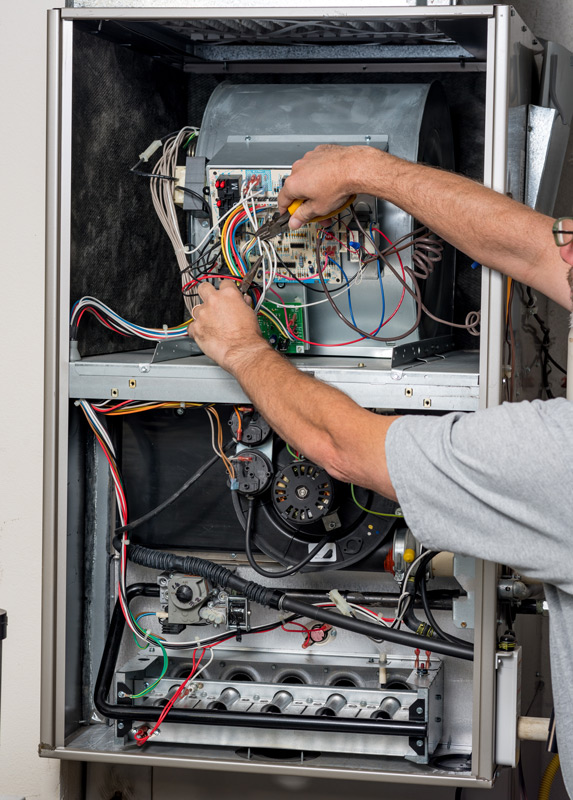
As the colder months approach, it’s time to contemplate a little tender loving care for your furnace. Taking charge of your furnace’s well-being can seem intimidating, but with an essential DIY maintenance checklist, you can guarantee your heating system runs smoothly. You might wonder how to begin or what tasks are truly necessary. Should you inspect the thermostat first, or is replacing filters more urgent? By tackling these basic checks, you enhance comfort and safety and extend your furnace’s lifespan. Ready to uncover the steps to keeping your home warm and efficient?
Inspect the Thermostat
Begin by checking if your thermostat is functioning correctly and set to the desired temperature. Start with a visual inspection: verify the display is clear and that the buttons or touchpad respond promptly. Confirm the thermostat’s mode aligns with the current season—switch between heating and cooling as necessary. If you have a programmable thermostat, verify that the schedule settings reflect your daily routine, maximizing energy use without compromising comfort.
Next, test the thermostat’s accuracy. Use a reliable room thermometer to cross-check the displayed temperature. If there’s a discrepancy, recalibrate the thermostat according to the manufacturer’s instructions, which can usually be found in the user manual. This guarantees the furnace operates only when necessary, enhancing efficiency and comfort.
You should also examine the thermostat’s wiring. Carefully remove the cover and inspect the connections for any signs of corrosion or loose wires. Tighten any loose screws and verify all connections are secure. If you’re unsure, consult the wiring diagram in the manual or seek professional advice. Keeping the thermostat in peak condition ensures your furnace system works effectively, providing a comfortable environment for those you serve.
Replace Furnace Filters
Regularly replacing furnace filters is fundamental to maintaining ideal airflow and guaranteeing your heating system operates efficiently. As a homeowner committed to serving others, understanding the technical aspects of this task will enable you to improve air quality and extend your furnace’s lifespan. Begin by locating the filter compartment, typically found between the return air duct and the furnace itself. Turn off the furnace to guarantee safety, then carefully remove the filter.
Inspect the filter for dirt and debris. A clogged filter can obstruct airflow, forcing the furnace to work harder and increasing energy consumption. It’s imperative to replace the filter every 1-3 months, depending on usage and household factors like pets or allergies. Select the correct filter size; this information is usually printed on the old filter. Consider the Minimum Efficiency Reporting Value (MERV) rating, which indicates filter efficiency. A higher MERV rating means better filtration but may restrict airflow if incompatible with your system.
Insert the new filter, ensuring the airflow arrows align with the airflow direction in your furnace. Restore power to the furnace, and you’ll have successfully completed this essential maintenance task, enhancing both comfort and safety in your home.
Clean Around the Unit
Clearing debris and dust around your furnace unit guarantees ideal performance and prevents potential hazards. Begin by turning off the power to your furnace to guarantee safety. Use a flashlight to inspect the unit’s surrounding area for any obstructions, such as boxes, tools, or household items. These objects can restrict airflow, causing the unit to overheat and operate inefficiently. Maintain at least a 2-foot clearance around the furnace to allow proper ventilation.
Proceed by vacuuming the area thoroughly to remove dust and small debris. Pay particular attention to the floor around the furnace, as dust accumulation can be significant. Use a hose attachment to reach tight spots and corners effectively. Additionally, check for any signs of moisture or leaks that could indicate a more serious issue.
Inspect air vents and registers, guaranteeing they’re unblocked and clean. Dust or debris in these areas can hinder airflow, reducing the furnace’s efficiency. Consult a professional if you notice any persistent issues or suspect something unusual. Regularly cleaning around the furnace enhances its performance and contributes to a safer home environment, aligning with your commitment to serving others.
Examine the Blower Belt
Checking the blower belt is essential for ensuring your furnace runs efficiently and without unnecessary noise. Begin by turning off the furnace’s power, ensuring safety is your top priority. Remove the furnace access panel to locate the blower belt, which is typically found near the blower motor. Inspect the belt for any signs of wear, such as fraying, cracking, or glazing. A damaged belt can cause the blower to underperform or produce excessive noise, hindering the furnace’s efficiency.
Next, check the belt tension. Press down on the belt gently; it should deflect about half an inch. If it is too loose, the belt may slip, reducing the blower’s effectiveness. If it’s too tight, it can put undue stress on the motor and other components. Adjust the tension by loosening the mounting bolts on the motor and sliding it slightly until the desired tension is achieved. Then, retighten the bolts securely.
Check the Pilot Light Function
To guarantee your furnace operates safely and efficiently, verify the pilot light is burning steadily and with a blue flame. A blue flame indicates proper gas combustion, maximizing heat output while minimizing harmful emissions. If the flame is yellow or flickers, it may signify incomplete combustion, often caused by dirt or air drafts.
Begin by locating the pilot light assembly, typically near the bottom of the furnace. Carefully remove any access panels to reach it. Inspect the flame’s color and steadiness without disturbing it. A yellow or unsteady flame might require cleaning the pilot light orifice. Turn off the gas supply before proceeding with cleaning. Use a soft brush or compressed air to clear debris or soot from the orifice.
Check for drafts that may disrupt the flame; confirm all access panels and vents are properly sealed. If the pilot light won’t stay lit, it may be necessary to adjust the thermocouple—a safety device that senses the flame. Tighten any loose connections or replace a faulty thermocouple. Regularly monitoring the pilot light guarantees your furnace runs safely, serving your household effectively.
Lubricate Moving Parts
After confirming your pilot light functions correctly, lubricate the furnace’s moving parts to reduce wear and maintain smooth operation. First, gather the necessary tools: a high-quality synthetic lubricant designed for furnace use, a clean cloth, and gloves for safety. Begin by turning off the furnace and allowing it to cool completely. This guarantees you won’t risk burns or accidental ignition.
Identify the moving parts, such as the blower motor and fan bearings. These components are critical for efficient air circulation and are often susceptible to wear. Apply a few drops of lubricant to each bearing. Avoid over-lubricating; excess oil can attract dust, leading to potential blockages and reduced efficiency.
Next, check belts and pulleys for visible wear or damage. If they appear cracked or frayed, consider replacing them. Apply lubricant sparingly to any exposed metal surfaces to prevent rust and guarantee smooth movement.
Test Safety Controls
Verify the furnace’s safety controls are functioning properly by inspecting components such as the limit switch, flame sensor, and thermocouple for peak performance and reliability. These elements guarantee that your furnace operates safely, protecting your household from hazards. Examining the limit switch prevents overheating by shutting off the burner if temperatures exceed a safe threshold. If it’s malfunctioning, replace it immediately to maintain safe operation.
Next, evaluate the flame sensor. This device detects whether the burner is producing a flame and shuts off the gas if no flame is detected, thereby preventing gas leaks. Clean it regularly to prevent false readings and guarantee proper functionality.
Lastly, inspect the thermocouple, a safety device to stop the gas flow if the pilot light goes out. Test its connectivity and replace it if it is faulty.
Here’s how you can systematically test these controls:
- Limit Switch: Check for wear or damage and test its responsiveness to temperature changes.
- Flame Sensor: Clean with a fine emery cloth and test for electrical continuity.
- Thermocouple: Measure voltage output with a multimeter.
- General Safety: Verify all connections are secure and free from corrosion.
Inspect Ductwork and Vents
To ensure ideal furnace performance, thoroughly examine the ductwork and vents for blockages, leaks, and signs of wear that could impede airflow and reduce efficiency. Start by visually inspecting each section for dust accumulation or debris, which can restrict airflow and strain the furnace. Use a flashlight to check the interior surfaces for any obstructions. Clean the ducts using a vacuum with a hose attachment if you notice significant dust buildup.
Next, inspect the joints and seams for any signs of leaks. Leaks can result in energy loss and uneven heating. Gently press along the ductwork to detect any loose connections. Apply aluminum foil tape or mastic sealant to secure these areas if necessary. Pay attention to the vent covers’ condition and ensure they’re not obstructed by furniture or other objects.
Monitor for Unusual Noises
While verifying the ductwork and vents are in ideal condition, also listen attentively for any unusual noises coming from the furnace, as these sounds can indicate potential mechanical issues that need addressing. Pay close attention to the type of noise, as it can guide you to the source of the problem. Here’s a list of common sounds and what they may signify:
- Banging or Popping: Often caused by thermal expansion within the ductwork or a delayed ignition in the furnace burner. This could lead to stress fractures in components if not addressed.
- Squealing or Whistling: Typically results from a slipping or loose belt or issues with the blower motor bearings. Check for worn-out belts and lubricate moving parts.
- Rattling: This may indicate loose panels or components inside the furnace. Tighten screws and verify all parts are securely fastened to prevent further damage.
- Grinding or Scraping suggests worn-out bearings or that the blower wheel is hitting other components. Immediate inspection is necessary to avoid motor damage.
Ensure Proper Ventilation
Proper ventilation is essential to your furnace’s efficiency and safety, so ensure all vents and flues are clear of obstructions and functioning correctly. Begin by inspecting the vent pipes connected to your furnace. Ensure they’re securely attached and free from blockages like dust, debris, or nests. If possible, use a flashlight for a thorough visual check inside the vents. Clear any obstructions using appropriate tools, such as a flexible dryer vent brush, to reach into tight spaces.
Next, examine the furnace’s exhaust flue. It should safely direct harmful gases like carbon monoxide outside your home. Verify that the flue pipe is intact, properly aligned, and sealed at all joints. If you notice any damage or corrosion, consider contacting a professional for a repair or replacement.
Don’t forget to assess the venting area around the furnace. Ensure it’s free from clutter and flammable materials, maintaining at least a three-foot clearance around the unit. This space allows for proper air circulation, reducing the risk of overheating.
Conclusion
Imagine the gentle hum of a well-maintained furnace, its warmth wrapping around you like a cozy blanket on a chilly evening. By diligently following this detailed checklist, you’re preserving your furnace’s efficiency and ensuring a safe, comfortable home environment. Picture yourself confidently adjusting the thermostat, knowing every component is in peak condition. This proactive care extends your furnace’s lifespan, safeguarding your home against winter’s chill with reliability and precision.
Frequently Asked Questions
How Often Should Professional Furnace Maintenance Be Scheduled?
You should schedule professional furnace maintenance annually to guarantee peak performance and safety. This service includes cleaning components, checking for wear, and verifying system efficiency. Regular upkeep helps prevent costly repairs, assuring your family’s comfort and well-being.
Can a Furnace Maintenance Checklist Help Reduce Energy Bills?
A maintenance checklist helps you identify inefficiencies, ensuring your furnace operates at peak performance. Thoroughly inspect filters, burners, and ductwork. Efficient systems consume less energy, lowering bills and benefiting those you serve with cost-effective heating solutions.
What Signs Indicate It’s Time to Upgrade to a New Furnace?
When your furnace’s performance resembles a flickering candle in a drafty room, it’s time to upgrade. Look for inconsistent heating, rising energy bills, frequent repairs, strange noises, or an age over 15 years to decide.
Are There Health Risks Associated With Improper Furnace Maintenance?
Improper furnace maintenance can expose you to health risks like carbon monoxide poisoning, respiratory issues from dust buildup, and allergens. Regularly inspect and clean your furnace to protect your household’s health and guarantee safe, efficient operation.
How Can I Safely Dispose of Old Furnace Components?
You should contact your local waste management facility for guidance on disposing of old furnace components. They can inform you about recycling options or hazardous waste regulations, ensuring you’re safely and responsibly serving your community’s environmental needs.