
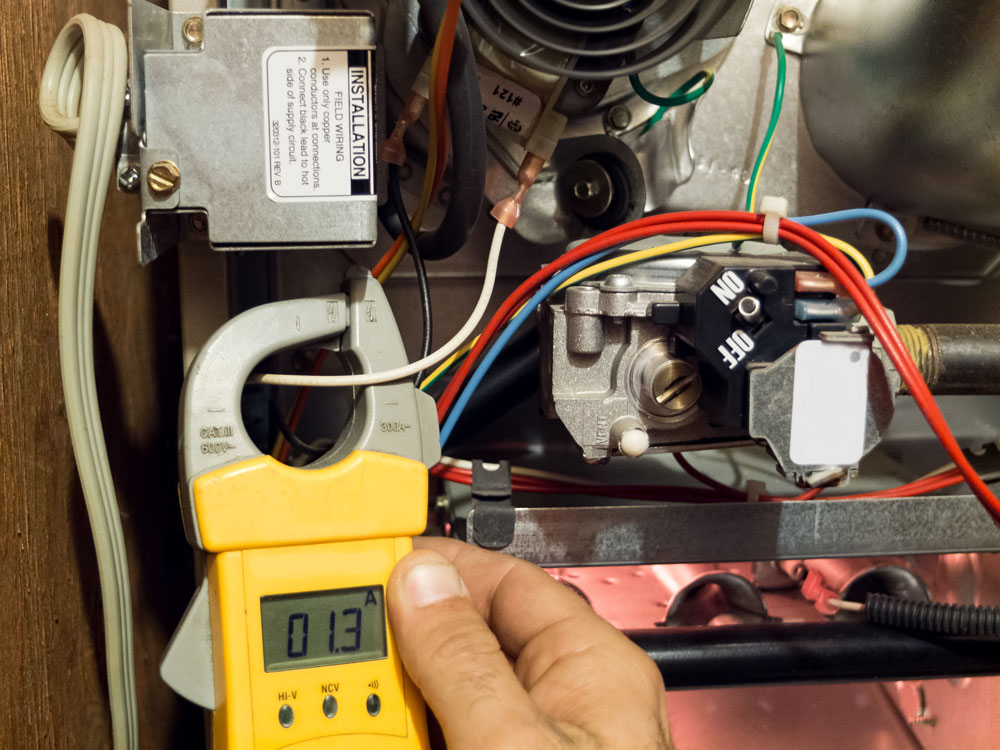
When faced with a heating system failure, your first instinct might be to panic, but staying calm and taking a systematic approach is vital. Start by evaluating the situation—listen for unusual noises and double-check the thermostat settings. It’s important to verify the power supply is uninterrupted, so inspect the circuit breaker and furnace power switch. However, if the furnace isn’t cooperating, you might need to explore further steps. But what exactly should you do next, and how can you prevent future breakdowns? Let’s explore effective strategies that can keep your home warm and safe.
Assess the Situation
Begin by inspecting your heating system to identify any obvious issues or unusual noises that could indicate a malfunction. Listen carefully for any banging, clanging, or hissing sounds, as these could signal problems with the internal components. Examine the unit’s exterior for visible signs of wear, rust, or leaks, which might suggest more significant issues.
Check the air filter and verify it’s clean and free of blockages. A clogged filter can restrict airflow, causing the system to overheat and potentially fail. If the filter appears dirty, replace it promptly to restore the ideal function. Additionally, inspect the vents and registers throughout your home to confirm they’re open and unobstructed, allowing heat to circulate efficiently.
If you’re using a gas system, take a moment to assess the pilot light or ignition source. The pilot light should be a steady blue flame. A yellow or flickering flame may indicate a problem with the gas supply or burner, requiring immediate attention. Finally, review your system’s power supply. Confirm that all electrical connections are secure and that no fuses have blown. This proactive approach will help you identify underlying issues before they escalate into major repairs.
Check Thermostat Settings
After inspecting the physical components of your heating system, check that the thermostat is set to the desired temperature and operating mode. Incorrect settings can prevent the system from functioning properly. First, make sure the thermostat is in heating mode. A simple oversight of leaving it in cooling or off mode might be why your system isn’t generating warmth.
Next, adjust the temperature setting. Set it a few degrees higher than the current room temperature to prompt the heating system to activate. This small adjustment is often enough to kickstart the system into operation.
Finally, confirm that the thermostat’s clock and settings are correct, especially if you’ve experienced recent power outages, which can reset programmable thermostats.
Here are some steps to make certain your thermostat is in good working order:
- Replace Batteries: If your thermostat runs on batteries, check and replace them. Weak batteries can impede performance.
- Clean the Thermostat: Dust buildup can affect the unit’s sensors. A gentle cleaning might restore full functionality.
- Verify Location: Ensure the thermostat isn’t near heat sources or drafts, which can cause inaccurate readings.
Inspect Power Supply
Verify that your heating system is receiving adequate power by checking the circuit breaker or fuse box for tripped switches or blown fuses. Locate the panel in a basement, garage, or utility room. If a switch is tripped, reset it by flipping it off and back on. For fuses, replace any that appear blown. This often resolves power issues that could be affecting your heating system.
Next, confirm the heating system’s power switch is turned on. Typically, this switch resembles a regular light switch on or near the furnace. It’s common for this to be accidentally turned off during routine activities.
You should also inspect your heating unit’s power cord and plug. Look for any visible damage or fraying which can cause power failures. If you notice any defects, refrain from using the system until it’s repaired.
Examine the Furnace
Start by opening the furnace’s access panel to inspect the burner, heat exchanger, and blower for any signs of damage or debris buildup. Look closely at these components, as they’re critical for efficient operation. If you notice any soot, rust, or cracks, it may indicate a more serious problem that requires professional attention. Keep your eyes peeled for loose wires or burnt connections that could cause malfunctions.
To guarantee peak performance, focus on the following tasks:
- Clean the Burners: Use a vacuum or a small brush to remove dust and debris from the burners. This enhances combustion efficiency and prevents fires.
- Inspect the Heat Exchanger: Check for any cracks or corrosion. A compromised heat exchanger could lead to dangerous carbon monoxide leaks.
- Examine the Blower: Look for debris obstructing the blower or signs of wear on the motor. Clean and lubricate as needed.
Taking these steps can prevent unexpected breakdowns and improve your furnace’s longevity. Don’t hesitate to contact a professional if any issues seem beyond your expertise. Your proactive approach guarantees your home stays warm and safeguards the well-being of those you care about.
Investigate Pilot Light
Once you’ve completed the furnace inspection, turn your attention to the pilot light to confirm it’s burning steadily and with a blue flame, indicating proper combustion. A blue flame shows the gas is being burned efficiently, while a yellow or flickering flame may suggest a draft, insufficient oxygen, or impurities. First, identify the location of the pilot light, usually near the base of the furnace. Carefully observe the flame.
If the flame is not blue or flickering, verify the gas supply valve is fully open. If the flame doesn’t stabilize, switch off the furnace and wait a few minutes before relighting the pilot light. Use a long lighter or match to ignite. Follow your furnace’s instructions, usually found on a label attached to the unit.
If the pilot light repeatedly goes out, check for any visible dirt or debris in the pilot tube and gently clear it with a needle. Reignite and observe the flame. If problems persist, it may be necessary to seek professional assistance. Confirming a properly functioning pilot light not only restores heat but also prevents potential hazards, helping others stay warm and safe.
Look for Airflow Issues
To guarantee your furnace operates efficiently, check for airflow issues by inspecting the air filters, vents, and ducts for blockages or obstructions. Start by removing the air filter and holding it up to the light. If light can’t pass through, it’s time to clean or replace it. A clean filter promotes ideal airflow, preventing the system from overworking and potentially failing.
Next, examine the vents in each room. Ensure they’re open and free of dust or debris impeding airflow. Adjust any furniture or items blocking the vents to ensure warm air circulates effectively throughout your home.
Finally, inspect the ducts for any visible gaps or damage. Leaks in the ductwork can lead to a significant loss of heated air, making your furnace work harder than necessary.
- Check air filters: Replace or clean clogged filters to improve airflow.
- Inspect vents: Confirm all room vents are open and unobstructed.
- Examine ducts: Look for visible damage and seal any leaks.
Reset the System
Resetting the system can often resolve minor glitches, so locate the reset button on your furnace and press it to restart the unit. This action can solve problems like an unresponsive thermostat or a furnace not producing heat. First, turn off the furnace’s power at the circuit breaker to guarantee safety. Once you’ve done that, find the reset button. It’s typically red or yellow and might be near the blower motor or control panel.
Press the button firmly for a few seconds, then release it. If the furnace starts, you’ve likely resolved the issue. Suppose it doesn’t, wait 30 minutes before attempting another reset, as some systems require a cool-down period. Be cautious not to press the reset button more than twice, as repeated pressing can flood the system with oil or gas, leading to potential damage.
After resetting, turn the power back on at the circuit breaker. Verify the system is functioning properly by setting the thermostat to a higher temperature. Listen for the furnace to start and check that warm air flows through the vents, guaranteeing comfort and safety for those relying on you.
Seal Drafts and Leaks
Identify and seal drafts and leaks in your home to enhance heating efficiency and reduce energy costs. Begin by examining common trouble spots such as windows, doors, and attic spaces. Feel for drafts using your hand or a small piece of tissue. Once you’ve identified the areas needing attention, apply these practical solutions:
- Weatherstripping: Install weatherstripping around windows and doors to create a tight seal. Choose the right type for your needs, such as adhesive-backed foam tape or v-strip, and ascertain it’s properly aligned to prevent air from sneaking in.
- Caulking: Use caulk to seal gaps and cracks less than a quarter-inch wide around stationary components like window frames and baseboards. Select a caulk suitable for your environment—silicone or latex-based options work well for most situations. Apply it smoothly and evenly for the best results.
- Door Sweeps: Install door sweeps on the bottom of exterior doors to block drafts. Opt for a door sweep with a rubber or vinyl strip for durability. Attach it securely to ascertain it contacts the threshold, creating an effective barrier against cold air.
Use Alternative Heating
Explore alternative heating methods to enhance warmth in your home while minimizing reliance on traditional systems. Start by using electric space heaters, which are both portable and efficient. Position them in the rooms you use the most. Ensure they’re placed on stable surfaces and keep flammable materials at least three feet away. For a greener option, consider infrared heaters that directly warm people and objects rather than air, offering energy-efficient heat distribution.
Fireplaces can also serve as excellent heating alternatives. If you have a wood-burning fireplace, ensure the flue is open and well-maintained to allow smoke to exit properly. Use seasoned hardwoods for a longer-lasting fire. Verify that the pilot light is functioning for gas fireplaces and the venting system is clear.
Another practical option is using thermal curtains or heavy drapes. They help in retaining heat by reducing heat loss through windows. During the day, open them to let in the sun’s warmth and close them at night.
Lastly, consider heated blankets or pads. These can provide direct warmth and are especially useful for localized heating. Always follow the manufacturer’s instructions to ensure safe operation.
Contact a Professional
When your heating system breaks down and DIY methods aren’t enough, it’s time to contact a professional repair service to guarantee your home’s warmth and safety. Professionals have the expertise and tools to diagnose and fix complex heating issues efficiently. Their technical knowledge guarantees that your system operates safely and reduces the risk of future breakdowns.
Before reaching out, prepare the necessary information to help the technician understand the situation. Be ready to provide details about your system’s make and model, any unusual noises or smells, and attempts you’ve made to troubleshoot. This preparation helps streamline the repair process.
Consider these essential steps when contacting a professional:
- Research and Choose Wisely: Look for licensed, insured, and highly-rated professionals. Check reviews and ask for recommendations to guarantee reliability and quality service.
- Ask for an Estimate: Request a detailed cost estimate before repairs begin. This prevents unexpected expenses and helps you budget accordingly.
- Inquire About Emergency Services: Guarantee the repair service offers emergency assistance, especially during weekends or holidays when heating issues can be most inconvenient.
Conclusion
Quick action is vital in heating emergencies. Some theories suggest that resetting the system can solve over half of common heating issues. So, start there after checking the basics. If the problem persists, seal drafts and use alternative heating sources to stay warm. Remember, contacting a professional for a thorough inspection and repair is important. By following these steps, you’ll minimize discomfort and guarantee your heating system is reliable for the future.
Frequently Asked Questions
How Can I Find Reputable Emergency Heating Repair Services Near Me Quickly?
Start by searching online directories like Yelp or Angie’s List. Check reviews and ratings. Ask friends or neighbors for recommendations. Verify they’re licensed and insured. Call them to confirm availability and discuss your heating issue.
What Should I Do if My Heating System Fails During Extreme Weather Conditions?
Act swiftly when your home’s warmth disappears like a ship in a storm. Check thermostats and breakers first. If the problem persists, call a trusted technician. Meanwhile, gather blankets and prepare temporary shelter for vulnerable family members.
Are There Any Temporary Solutions for Heating Until Repairs Are Completed?
You can use portable space heaters and layer blankets for warmth. Seal drafts with towels or blankets, and close unused rooms to conserve heat. Always prioritize safety by keeping heaters away from flammable materials.
How Can I Prevent Future Heating System Emergencies?
Schedule regular maintenance, replace filters, and check for unusual noises. Insulate pipes and seal drafts. Educate yourself on system settings. Prioritize efficiency and sustainability to prevent emergencies, ensuring your home remains warm and welcoming for loved ones.
What Should I Ask a Heating Repair Technician Before Hiring Them?
Think of your home as a sanctuary. Ask the technician about their experience, certifications, warranties, and emergency response times. Verify they’re insured and get a written estimate. Protect your peace of mind by choosing wisely.