

When it comes to finding the right air conditioner for your Elgin, IL home, the decisions you make upfront have a lasting impact on your comfort and your energy costs. The summer heat along the Fox River corridor can be relentless, and the right system makes all the difference. By understanding your specific cooling needs and the options available, you can select a system that cools efficiently, fits your space, and holds up through many Illinois summers to come.
Understanding Your Cooling Needs
Before selecting a unit, it helps to take a clear-eyed look at what your home actually requires. Start with the size of the space being cooled, since larger areas demand more cooling capacity. Insulation quality matters as well. Homes with poor insulation lose conditioned air faster, which means the system has to work harder to maintain a comfortable temperature.
Climate plays a role too. In our service calls throughout Elgin, we see how the combination of humid summers and wide seasonal temperature swings puts consistent demands on residential cooling systems. Homes closer to the Fox River can experience higher ambient humidity, which affects how hard an AC system has to work.
Energy efficiency should be part of the conversation from the beginning. Units with higher SEER ratings cost less to operate month over month, and those savings add up significantly over the life of the system. If anyone in the household has allergies or respiratory sensitivities, a unit with advanced filtration can meaningfully improve indoor air quality as well. Professional AC installation ensures the system you choose is set up correctly from the start, maximizing both reliability and longevity.
Types of Air Conditioners Available
Exploring the types of air conditioners available reveals that different systems are designed for different homes and situations. Understanding the options helps narrow down the best fit for your specific needs.
Four common types to consider include:
- Central Air Conditioners: Ideal for cooling larger homes, these systems distribute conditioned air through a network of ducts and provide consistent whole-home comfort.
- Ductless Mini-Split Systems: Well-suited for homes without existing ductwork, these units offer flexible, zoned cooling with high efficiency and a less invasive installation process.
- Window Air Conditioners: A practical solution for single rooms, these are budget-friendly and straightforward to install, though they are limited in their coverage area.
- Portable Air Conditioners: Versatile and convenient, portable units can be moved between rooms as needed, making them a useful supplemental option.
Each system has a distinct set of trade-offs in terms of upfront cost, installation complexity, and long-term efficiency. A qualified technician can help match the right system type to your home’s layout, existing infrastructure, and budget.
Energy Efficiency and SEER Ratings
Energy efficiency has a direct impact on your utility bills and the overall environmental footprint of your home’s cooling system. The Seasonal Energy Efficiency Ratio, or SEER, is the primary metric used to measure how efficiently an air conditioner cools your home over an entire season. The higher the SEER rating, the less energy the system consumes for the same amount of cooling output.
A SEER rating of 14 or higher is generally considered efficient, while newer models can reach ratings of 20 or more. Higher-efficiency units typically carry a greater upfront cost, but the long-term savings on energy bills often make that investment worthwhile. Working in homes across Elgin and the surrounding communities, we regularly see the difference a high-SEER system makes on monthly utility costs, particularly for households that run their AC consistently from late spring through early fall.
Regular AC maintenance also plays a critical role in preserving that efficiency over time. A well-maintained system continues to operate near its rated performance, while a neglected one loses efficiency gradually and often without obvious warning signs.
Installation Considerations for Your Home
Selecting the right system is only part of the equation. Proper installation is equally important for achieving peak performance and long-term reliability. Several factors deserve attention before and during the installation process.
- Location: The placement of both indoor and outdoor components should allow for adequate airflow and straightforward access for future maintenance.
- Ductwork: Existing ductwork should be inspected for compatibility and condition. Leaky or deteriorating ducts can undermine the efficiency of even the best-rated system.
- Electrical Requirements: The home’s electrical system needs to support the new unit’s demands without overloading circuits or requiring costly emergency upgrades after the fact.
- Insulation: Proper insulation throughout the home helps conditioned air stay where it belongs, improving overall system efficiency and reducing runtime.
Based on what we see in Elgin, IL properties, older homes along established neighborhoods near the downtown area and the Grand Victoria Casino corridor often require additional ductwork evaluation before a new system is commissioned. Addressing those issues during installation prevents larger problems down the road.
For homeowners whose homes lack existing ductwork or who want more precise control over comfort in specific areas, a ductless mini split system is worth serious consideration as an alternative to traditional central air.
Maintenance Tips for Longevity and Performance
Once a new system is installed and running, ongoing maintenance is what keeps it performing at its best. Routine upkeep extends the life of the equipment and prevents small issues from becoming expensive repairs.
Air filters should be inspected regularly and replaced as needed. A clogged filter restricts airflow, forces the system to work harder, and reduces efficiency over time. Professional inspections at least once a year give technicians the opportunity to identify and address emerging issues before they escalate.
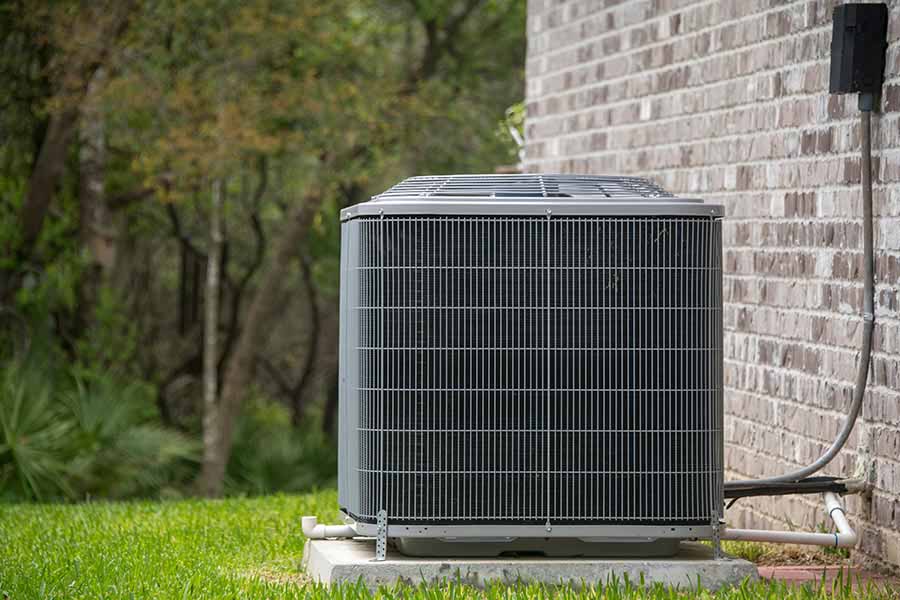
The outdoor unit should be kept clear of debris such as leaves, grass clippings, and dirt. Blocked airflow around the condenser reduces the system’s ability to release heat effectively. The condensate drain should also be checked periodically, as clogs can lead to water damage and humidity problems inside the home.
Pairing your system with a smart thermostat is a simple upgrade that can meaningfully reduce energy consumption by aligning your cooling schedule with your actual daily patterns. The team at Leith Heating and Cooling is available to assist with any maintenance needs that arise throughout the life of your system.
Making the Right Call for Your Elgin Home
Choosing the right air conditioner for your Elgin home is a decision that shapes your comfort and energy costs for years to come. By taking the time to understand your cooling needs, evaluate available system types, prioritize efficiency, and ensure proper installation and maintenance, you are setting yourself up for a system that performs reliably through every Illinois summer.
When you are ready to explore your options, contact our team today to schedule a consultation and get expert guidance tailored to your home.